


The permanent mooring is part of your accommodation
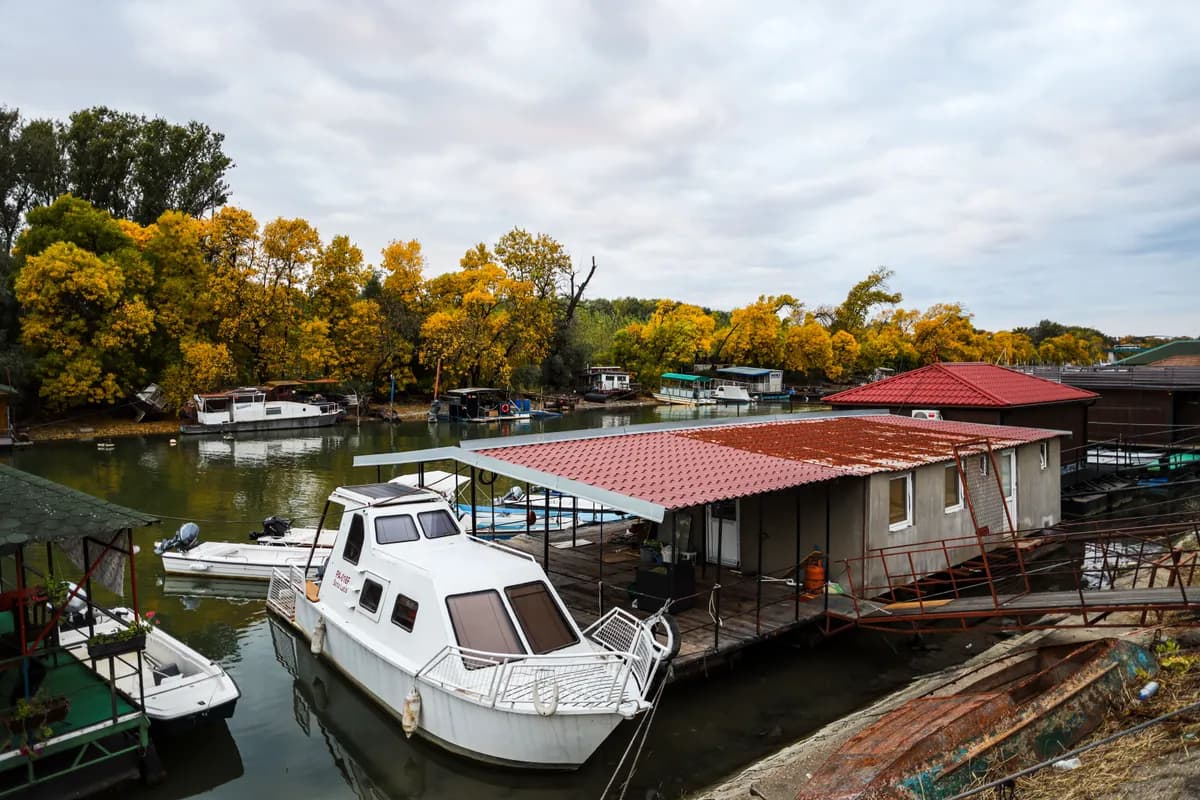
Start with a clear description: Your houseboat will remain at the specified mooring throughout the stay. Guests are booking accommodation, not a trip. Specify the type of surroundings, such as a harbour area or another actual location. A close-up image on the water should not give the impression of unrestricted travel or complete seclusion if neither of these features are part of your offer.
Also show the immediate surroundings. Are there other boats moored nearby, do people walk past the jetty, or is there activity on the bank? This information helps guests to get a sense of what their stay will be like. The mooring spot can be just as defining as the on-board facilities. An honest description makes it clear what views, sounds and shared pathways are actually part of everyday life there.
Guide users clearly from the shore right into the living space
For you, the route to your houseboat is second nature. Guests are unfamiliar with both the jetty and the boarding point. You should therefore describe how to get on board from the car park or arrival point, whether luggage needs to be carried over long distances, and where there are steps or narrow passageways. A photo showing this access route is often more helpful than an extra photo of the view.
Water levels and weather can affect conditions at the access point. Only mention such details insofar as they actually apply to your location, and explain how you advise guests to find their way there. Avoid making blanket statements about suitability for all travellers. Providing specific details about paths and crossings gives people a better basis for assessing their own options.
On board, the layout and freedom of movement are key
Show how the living areas are laid out and where the sleeping areas are located. Are there separate rooms or an open-plan area where an extra bed can be set up? How do you get to the bathroom at night? Describe any stairs, low doorways and limited headroom if these affect the stay. The view is no substitute for this practical information.
Also think about luggage and everyday routines. Where can shoes be left, jackets hung up and bags stowed away? Can the dining table be used whilst all the beds are made up? A houseboat doesn’t need to replicate a large flat. It is precisely its unique layout that can be appealing, provided guests understand in advance how to make the most of the available space.
Explain water, bathroom and kitchen facilities in a factual manner
Describe the actual facilities on board: toilet, shower, cooking facilities, cooling and heating, where available. If any facilities are located onshore or are shared, this must be made clear from the outset. A photo of the kitchen should show what is available for cooking, rather than just a decorated worktop. Guests want to be able to prepare for their stay properly.
If using certain facilities requires specific steps, provide a brief, clear guide. The advert does not need to be a technical manual. However, it should make it clear if daily life on board differs from that in a normal flat. For example, explain which areas are available to guests and when you would like to provide practical advice on their use.
Do not portray the deck and the water as an unlimited recreational area
Show the outdoor areas that are actually usable and their boundaries. A deck, a small terrace or a shared jetty offer different possibilities. Describe any seating areas available and how to get there. Do not imply that the proximity to the water allows for swimming, fishing or boating activities. Such possibilities should only be included in the text if they are actually available on site and are clearly distinguished from the accommodation itself.
For travellers with children or pets, specific information about the local area is particularly important. Describe any restrictions and access points without making sweeping promises regarding protection or safety. Deciding on the right accommodation requires a realistic picture. This also applies to the movement of the boat or any noticeable noises, which may vary depending on the location and conditions.
Take a photograph of the houseboat alongside the riverbank
A good sequence of images should first show the boat at its actual mooring. This should be followed by the entrance, living area, sleeping areas, bathroom and kitchen. Include shots of the deck and the walkway across the jetty. This allows guests to visualise the transition between the shore and the accommodation. Photos taken at a different harbour or during a previous trip should not be used in place of the current location of the listing.
Choose standard angles that allow the size of the rooms to be clearly seen. Sunset photos may help create atmosphere, but should not overshadow daytime shots. Also show views of neighbouring boats or the riverbank if these are a defining feature of the stay. A clear and understandable offer is created when the images tell the same story as your text: living in a fixed spot on the water.
Start with an offer that clearly specifies the mooring location
You can list your houseboat as accommodation free of charge on BookNoFees. To do so, follow the standard procedure and provide the accommodation type, description, photos, facilities, price and availability. This page relates exclusively to overnight stays at a fixed mooring. Therefore, do not describe any accompanying trips, independent use as a vehicle or charter services.
Finally, mentally run through your draft with a first-time visitor in mind. Can they find the entrance, do they understand the layout of the sleeping areas, and do they know where the kitchen and bathroom are? Are the outdoor areas and surroundings depicted realistically? Once these basics are clear, you can share your personal perspective on what you appreciate about living on the water. Let your specific location speak for itself.
Frequently Asked Questions
Can guests sail the houseboat on offer?
The offer described here is for accommodation at a fixed mooring. It does not include any travel or charter services. Make this distinction clear right at the start of your advert to avoid any misunderstandings. Photos and descriptions should therefore show the houseboat at the location where guests will actually be staying during their visit.
What’s the best way to describe the jetty and boarding point?
Show the actual access route and include clear details about paths, steps and narrow passageways. Bear in mind people who arrive with luggage and have never seen the place before. Avoid making blanket claims about suitability. Concrete descriptions enable travellers to assess the situation based on their own needs and capabilities.
Can I advertise swimming or fishing?
A waterside location alone is not enough. Only describe such features if they apply to the actual mooring, and clearly separate them from the overnight stay. If you’re unsure, stick to what your accommodation itself offers. A lovely view from the deck can be an attraction in its own right, without promising any additional activities.
Which images should be placed before an atmospheric evening shot?
It is helpful to include photos of the boat at its mooring, the access point and the interior spaces actually on offer. Guests want to know where they can sleep, eat and shower. Then add details of usable outdoor areas and the surrounding area. An evening shot can complement these images, but should not replace essential information about room size, the jetty or the neighbourhood.