
Show how to really live in a small space
A carefully furnished shepherd’s hut needs no grand words to describe its size. Guests want to know where they will sit, sleep and store their belongings. Describe whether the bed remains in place during the day or converts into a bench. If the table or chairs need to be rearranged for the night, show both layouts. This turns a pretty interior into a clear and understandable accommodation offer.
Focus on the usable spaces rather than just listing the external dimensions. How wide is the corridor next to the bed? Is there space for two bags without blocking the door? Take photos from a normal eye level and make a point of including tight corners. A small accommodation in particular comes across as credible when your photos and the practical layout match up.
The pitch is included with the accommodation
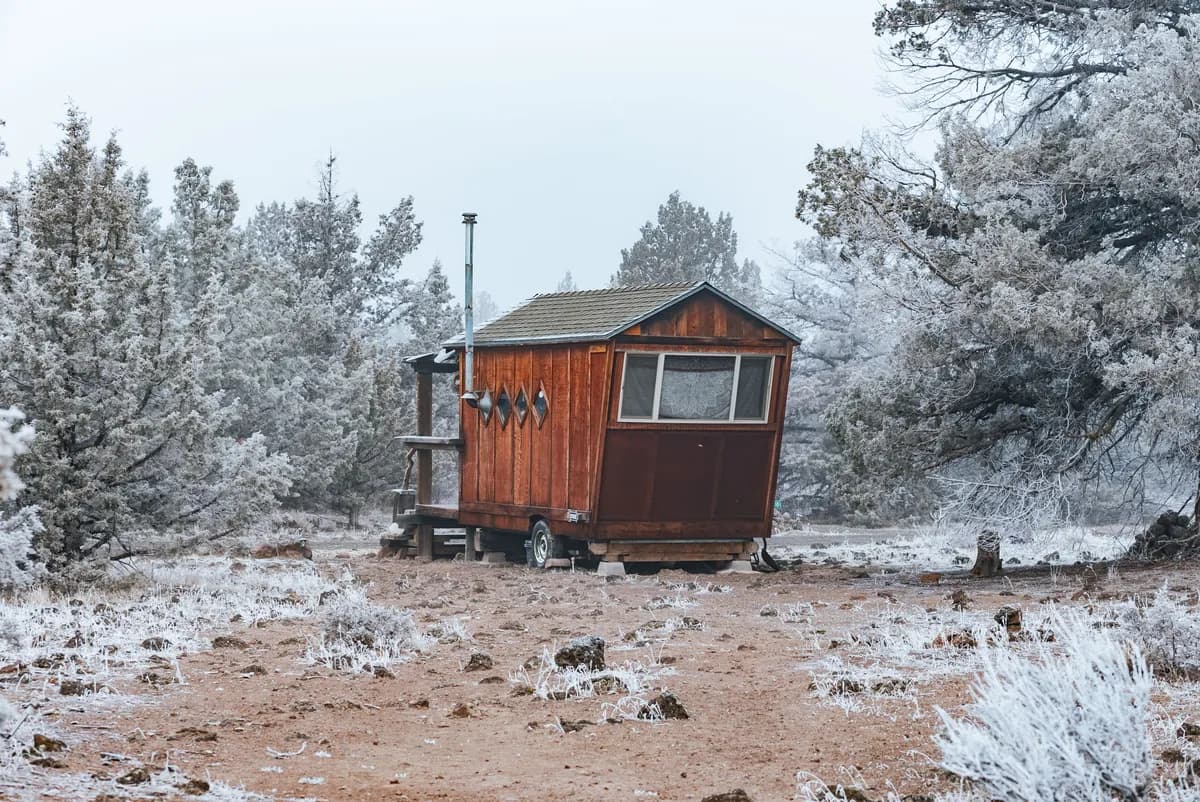
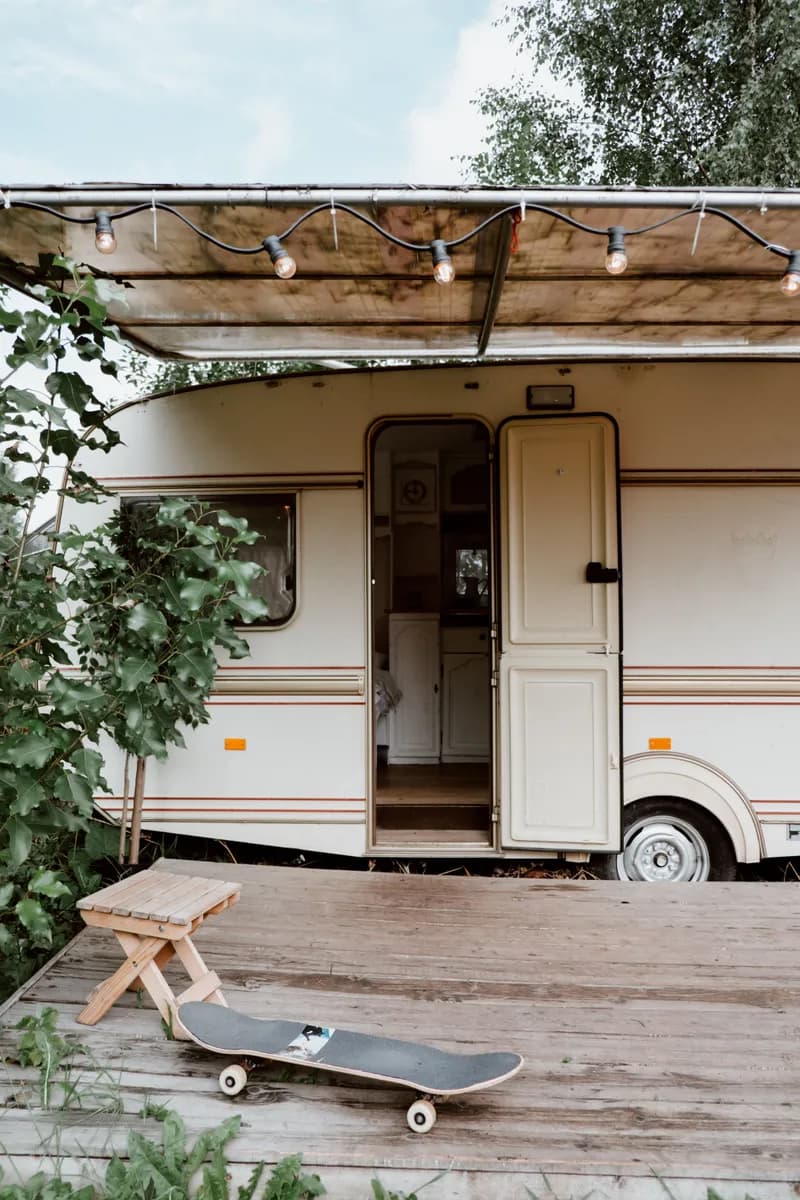
Show the shepherd’s hut together with its immediate surroundings. Guests should be able to tell whether it stands alone in a meadow, is part of an inhabited property, or is situated next to other accommodation. A view of nothing but greenery can obscure distances. Describe which paths are shared and whether you or other people will be passing by the seating area in front of the hut.
On a farm or near agricultural land, animals, machinery and seasonal work may be part of the experience. Mention these as matter-of-factly as you would describe the beautiful view. Specify which outdoor areas guests are actually permitted to access. An adjoining pasture is not automatically a garden, and a decorative fence does not necessarily mean that an area is suitable for children or dogs.
The bathroom deserves detailed directions
Whether the shower and toilet are inside the hut or in a separate building makes a significant difference to the stay. Describe the actual arrangement early in the text. If the bathroom is separate, the distance, the condition of the path and whether it is shared are important. Take photos of the path as well as the room. Guests should not have to discover only after arrival that they have to walk across the property to access every facility.
Check this route even in the dark and in wet weather. Is there lighting, a sheltered entrance and a place to store dry clothes? Explain any special toilet arrangements calmly and practically, without assuming guests will already be familiar with them. State whether drinking water is available and where it can be obtained. Comfort here often comes from clear signage, not from elaborate facilities.
The bed, access and luggage are key to comfort
A bed set under a curved ceiling or against three walls can look cosy whilst also offering a unique entry point. State the dimensions and show which side it can be accessed from. Also explain whether two people can get out of bed independently of one another. For guests with varying levels of mobility, such details are more helpful than the general term ‘comfortable’.
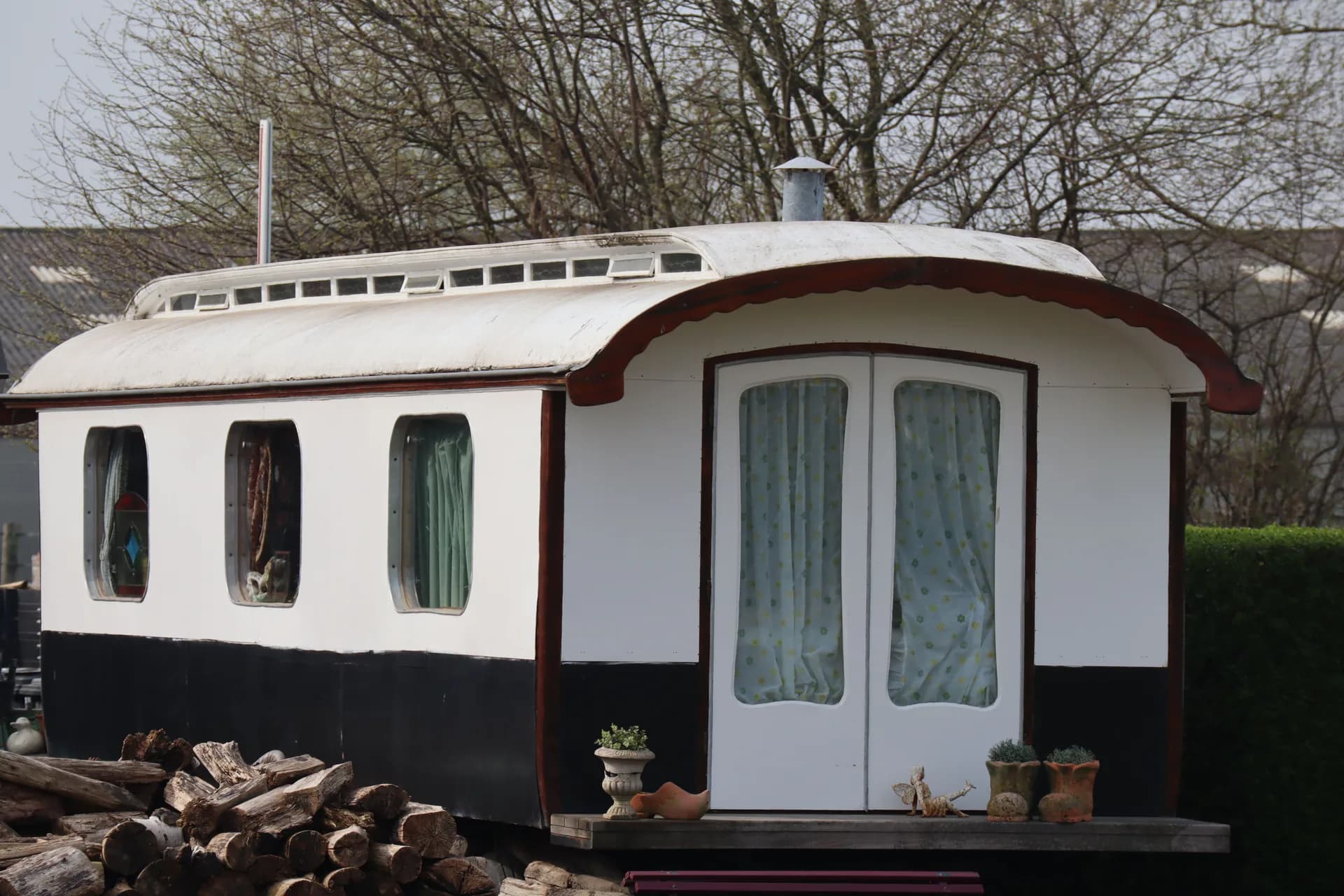
The approach includes the small flight of steps in front of the door as well as the car park. Take photographs of any steps and handrails, if present, and describe the ground between the vehicle and the hut. Accommodation on wheels should not give the impression that guests are allowed to drive it. If the shepherd’s wagon remains in place during the stay, you can state this clearly and unambiguously.
Describe your season rather than claiming year-round comfort
Consider which months you have prepared the shepherd’s hut for. Sunlight, shade, ventilation and heating options can make a significant difference in a small space. Heating alone does not determine how comfortable the external bathroom or the walk to it is in cold weather. Describe the conditions during the actual periods when the accommodation is available, rather than using summer photos to represent every season.
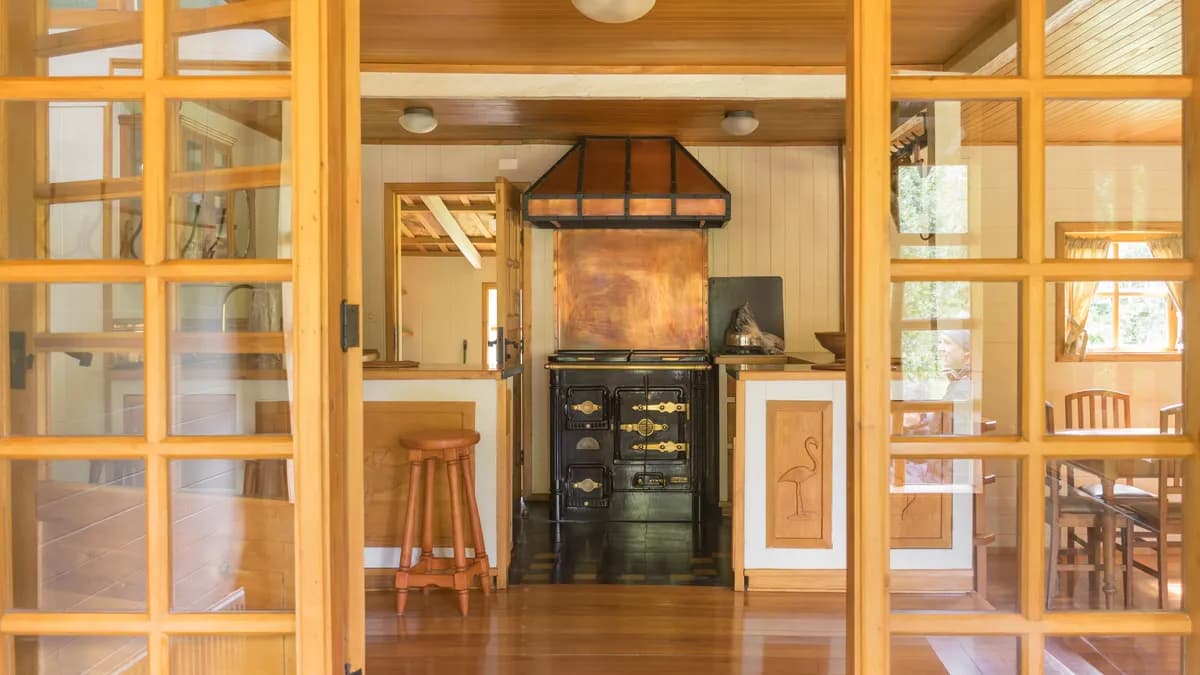
Cooking facilities and electricity also require specific details. A kettle does not constitute a fully equipped kitchen; a socket by the entrance is not a workspace with a reliable connection. List any available appliances and suitable storage space. If cooking takes place outdoors, explain the designated area and your specific rules. Do not make sweeping claims about the property’s environmental footprint simply because the accommodation is small or made of wood.
- Show sleeping arrangements and any potential modifications to the property’s everyday layout.
- State the location of the bathroom and drinking water.
- Check heating and ventilation arrangements for the seasons in which the property is offered.
- Assign seating areas and paths to the correct usage category.
A virtual tour is more informative than ten photos of the décor
Start with an overview showing the hut and its location together. This can be followed by the entrance, sleeping area, seating area and facilities. Detailed images of curtains, crockery or wooden surfaces round off this series. This gives an impression of the character of the place without guests having to search for the key rooms themselves. Keep the décor in the photos as close as possible to how it looked on arrival.
A small floor plan or clear details of walking routes can provide additional guidance. Also explain whether guests will find a table and shelter from the weather in the outdoor area. A lovingly prepared breakfast left on the doorstep should only be listed as a service if you actually offer it. Otherwise, it’s better to show the space as guests would use it themselves.
Prepare for the first stay with a trial stay
Spend a night yourself in the finished cabin, using the same routes and facilities as your guests would. You’ll quickly notice if a reading lamp is missing, there’s nowhere to hang jackets, or the way to the bathroom isn’t clearly marked. Afterwards, ask someone else for an honest opinion. What seems familiar to you may sometimes require just a single explanatory sentence for new guests.
Check the conditions under which you can offer the accommodation, taking into account your property and location. Bicycles or a small size do not replace this assessment. Once the listing is ready, you can advertise your shepherd’s hut free of charge on BookNoFees. It is better to describe a small place with clear possibilities than an unlimited getaway, the promise of which everyday life cannot fulfil.
Frequently Asked Questions
Are ‘shepherd’s huts’ and ‘shepherd’s wagons’ different types of accommodation here?
On this page, ‘shepherd’s wagon’ refers to the same type of accommodation as ‘shepherd’s hut’ in the German listing. Please also describe the actual design and location of your accommodation. This helps guests understand whether they are looking at a wagon on wheels, a permanent hut or a small accommodation unit designed accordingly.
Can I offer a shepherd’s hut without an en-suite bathroom?
It is crucial to provide a clear description of the existing solution and its suitability for your location. Explain where guests use the toilet and shower, whether they share these facilities, and how to get there. Avoid wording that suggests a bathroom inside the hut if it is located outside.
Should I mention low ceiling heights or single-sided bed access?
Yes, details like these help guests make the right choice. A photo on its own often fails to convey dimensions and how to move around effectively. Specify the relevant areas clearly and include photos taken from a clear perspective. You don’t need to apologise for the compact design, but you should clearly demonstrate its practical implications.
How should I deal with activity on the neighbouring farm?
Describe typical noises, access routes and seasonal activities, insofar as they affect the stay. Also explain which areas are accessible and where animals or tools are kept. Guests may deliberately choose a lively environment, provided it is not mistaken for a secluded property with no other uses.
How do I get started with my listing?
Prepare up-to-date photos, the actual occupancy details and a clear description of the facilities. You can then list the shepherd’s hut free of charge in the general hosts’ area on BookNoFees. A clear layout of the rooms and specific details about the location will help guests make an informed choice when selecting this small accommodation.