

Explain what makes your yurt a unique place to stay
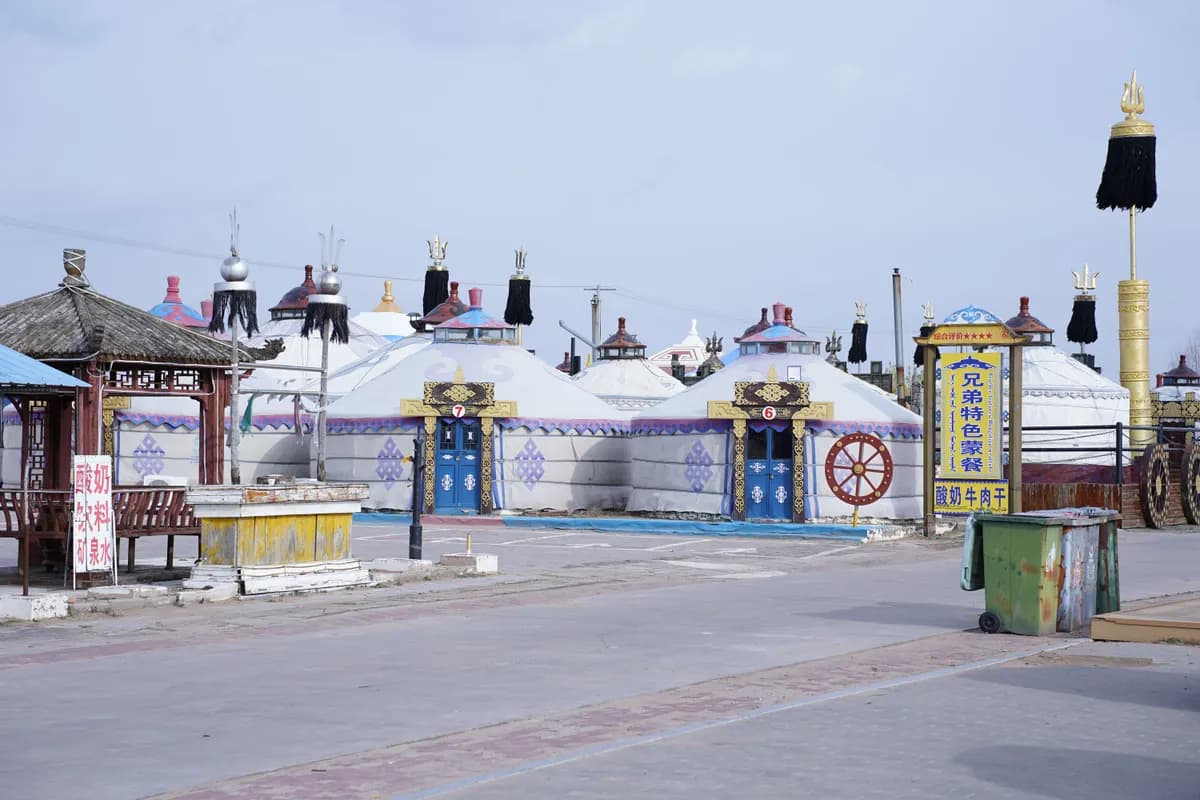
Guests may have different ideas about what a yurt is: a simply furnished place to sleep, a comfortably equipped circular room, or accommodation with additional outbuildings. You should therefore describe the specific offer. Show the exterior, the interior fittings and the floor. Explain whether the yurt stands on a platform and which areas are permanently included in the stay on offer.
If you wish to share information about the origins of the design or the materials, stick to details that you can substantiate for your yurt. A round shape alone does not constitute a specific cultural tradition or a promise of authenticity. Your personal connection to the place should take centre stage: why you chose this spot, how you have furnished the space, and what guests will actually find there.
Show how the communal area is laid out
In an open, circular room, there is often less spatial separation than in a holiday flat. Explain where the sleeping areas are located and whether there are solid walls, curtains or no partitions at all between them. A decorative partition is not an enclosed bedroom. Adults travelling together or families in particular should be able to assess how much privacy they can expect during their stay.
Take photos of the interior from several angles so that the layout of the bed, table and entrance is clear. Also mention whether a sofa or seating area converts into a bed in the evening. Plan shelving and storage space for the actual number of guests. The free space in the centre should not just exist in the photos, but also when travel bags are unpacked and all sleeping spaces are in use.
- Assign each sleeping space to a specific spot in the room.
- Describe fixed room partitions differently from fabric or open-plan dividers.
- Show the available space with beds made up and furnishings set out.
- Explain where clothes, bags and wet shoes can be stored.
Describe the stay under different conditions
Daylight, ventilation and warmth depend on the specific design and fittings. Show any windows or roof vents and explain how guests can operate them. A light-coloured opening can let in a lot of light in the morning; if there is no blackout facility, this should be included in the description. The name ‘yurt’ on its own says nothing about the insulation or the seasons in which it is available.
If heating or a stove is available, describe how it is actually used and provide the relevant instructions. Explain the operation and necessary precautions in a professional manner specific to your accommodation. Do not promise a constant temperature in all weathers. Noises from the wind or rain may also be perceived differently than in a solid-built house. A factual note to this effect helps guests make an informed choice about this unique stay.
Explain the provision of meals as an integral part of the stay
If the bathroom is outside the yurt, describe the distance, the route and whether it is shared or for private use. A short walk during the day may feel different at night or in the rain. Photos of the access route and the actual bathroom facilities help guests visualise the situation. Mention the available hot water supply and any features relevant to guests, without implying that a simple facility offers a level of comfort it does not.
The same applies to cooking. Explain whether there is a kitchen in a separate building, a designated cooking area, or just individual appliances. Show where guests can wash up, where there is refrigeration and where drinking water is available. Guests’ own cooking equipment should not be assumed to be a solution to any lack of facilities. A clear description helps with preparation and prevents guests from bringing unsuitable items or using them in the wrong place.
Show the yurt alongside its actual surroundings
A close-up shot amongst trees might suggest a secluded location, even though there is another accommodation right next to it. You should therefore also photograph the surroundings and describe distances in such a way that guests understand the situation. If the yurt is situated on a farm, campsite or private property, explain how the area is used. Sounds and encounters are part of the place and shouldn’t be obscured by blanket promises of tranquillity.
Mention any associated outdoor areas and the route from the car park. A grassy path, a few steps leading to the platform or a shared access point may be important for luggage and arrival. If animals live on the property, describe the actual circumstances and provide clear guidelines on how to behave. Living close to nature does not automatically mean that every area may be entered or every facility used.
Help guests pack, rather than just showcasing the atmosphere
A good sequence of images leads from the yurt, through the entrance, into the fully furnished room and on to the bathroom and kitchen facilities. Include outdoor areas and paths that are important for the stay. Photograph the accommodation exactly as you offer it. Candles, blankets or breakfast in a photo should not be mistakenly interpreted as included services if they are used solely for staging purposes.
Your description should make it clear what is provided and what guests should bring with them. Depending on the property, this may include bed linen, towels, suitable footwear or a personal torch. Only include information that is genuinely relevant to your location. A short, relevant guide to what to bring is more useful than a long, general camping checklist that has little to do with the actual facilities in your yurt.
Get to know your yurt from a guest’s perspective
Spend a full stay yourself in the furnished yurt, ideally under conditions that your guests will also experience. This will help you spot whether there is a lack of lighting at night, whether a storage space is needed in the morning, or whether the route to the bathroom requires explanation. Also check whether there is enough space for the intended number of people and their luggage. Clarify the local requirements for use and operation before offering the stay.
You can list your yurt free of charge in the general hosts’ section of BookNoFees. Focus on the actual experience: the circular room, the specific facilities and the location of the accommodation. A detailed description doesn’t need to promise complete tranquillity or a holiday that suits everyone. It helps people who are looking for exactly this kind of stay.
Frequently Asked Questions
Is a yurt automatically suitable for year-round use?
No, that depends on the construction, facilities and conditions at the location. Describe the periods during which you actually offer the accommodation, as well as any heating and ventilation available. Guests should not be expected to infer from the name alone that there is specific insulation or a constant temperature in all weathers.
How do I describe multiple beds in a yurt?
Show their locations and explain any existing boundaries. An open-plan area or a curtain should not be presented as a separate bedroom. What matters are the actual sleeping arrangements and the remaining space to move around. This allows fellow travellers to assess whether the level of proximity and privacy suits them.
Does the bathroom have to be inside the yurt?
Describe the existing facilities rather than assuming a specific layout. If there is an external bathroom, the description should include its location, how to get there, and whether it is for private or shared use. Guests should understand, before they arrive, how to access the bathroom facilities during the day and at night, and what amenities they will find there.
How do I avoid creating false expectations about nature and tranquillity?
Show the actual location, including neighbouring accommodation, paths or other facilities. Describe typical noises and distinctive features in a factual manner. A spot in the countryside is not necessarily secluded or quiet. A clear description of the surroundings helps guests make a more informed decision than a general promise of undisturbed nature.
What should you prepare before placing a free advert?
Prepare up-to-date photos, a clear description of the rooms and facilities, as well as practical information on amenities and how to get there. Also, check the requirements for listing accommodation in your area. Then go to the general hosts’ section on BookNoFees and present the yurt exactly as you would like to hand it over to your guests.