

Highlight the specific room on offer
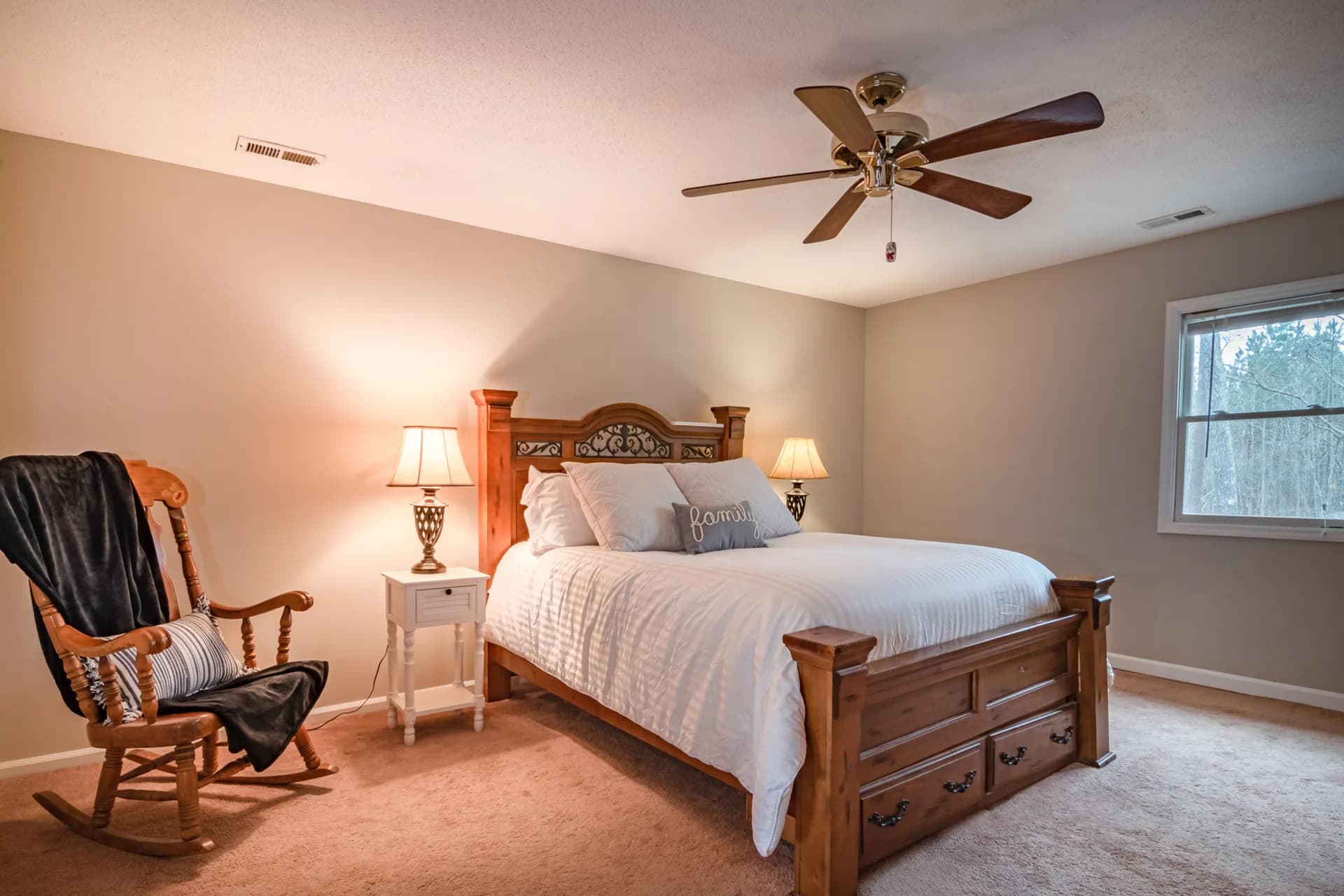
Start by explaining exactly which accommodation guests can actually book. Show the room on offer and describe its beds, the available storage space and its location within the building. A mix of photos of different rooms can give an impression of the property, but must not leave it unclear which room belongs to the offer described. Differences should remain clearly distinguishable.
The bathroom is one of the most important pieces of information. Is it en suite, in the corridor or on a different floor? Is it for private use or shared with other guests? The phrase ‘private bathroom’ does not automatically clarify whether you need to leave the room to use it. An additional sentence makes the actual route clear.
If there are several sleeping options, a detailed breakdown is helpful. A double bed with an additional fold-out bed can be used differently to two fixed single beds. Where possible, show extra beds in their set-up state. This allows guests to see how much space remains for movement and whether the wardrobe or access to the bathroom is still easily accessible.
Describe the breakfast exactly as you serve it
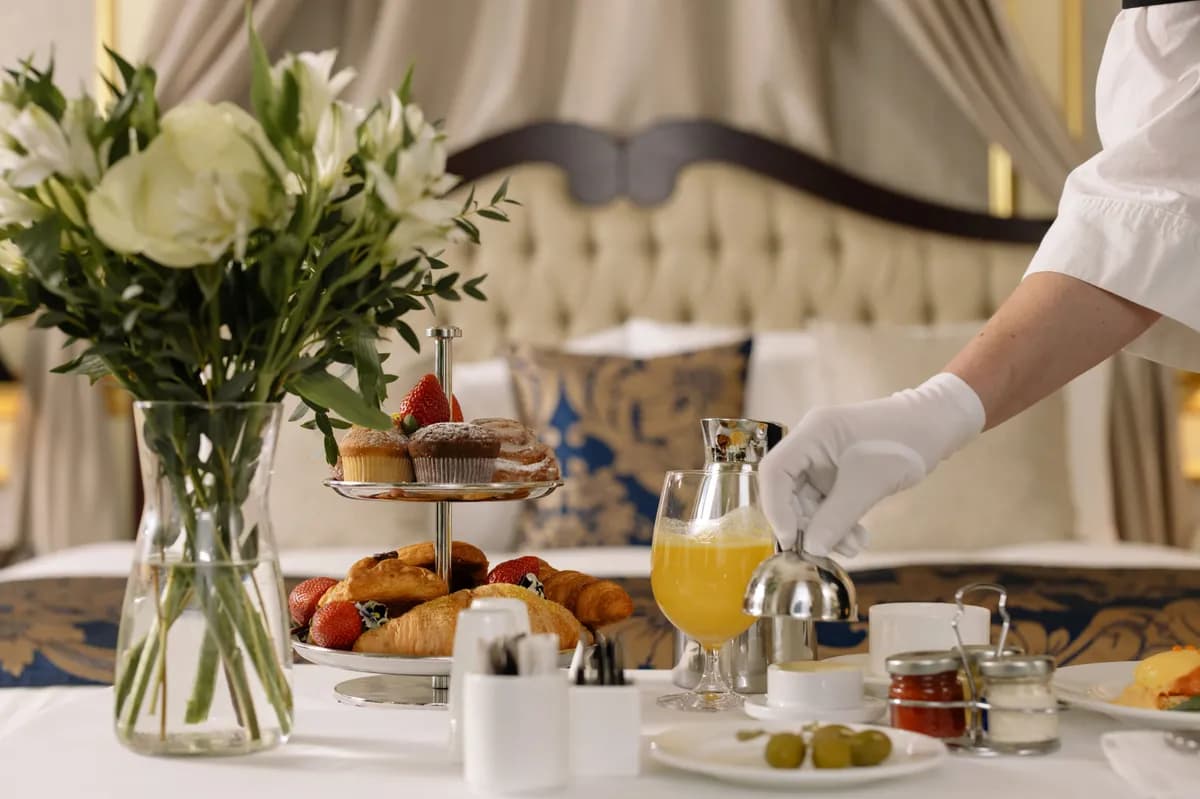
The name ‘Bed & Breakfast’ raises specific expectations regarding the morning. You should therefore explain whether breakfast is included in the stay as described and how it is organised. Is it served at a communal table, provided in the room or offered as a self-service option? Even a simple routine can be presented in an inviting way if it is described clearly and accurately.
Specify a standard time slot if you operate with fixed times, and explain what is possible outside of these hours. A very early departure may require different arrangements. Do not promise individual adjustments for every situation if you cannot reliably offer them. It is better to provide a clear description of the standard offer and the points that should be discussed in advance.
Show a typical breakfast scenario rather than an exception for a special occasion. If the selection varies, this may be stated in the text. In the case of specific dietary requirements, concrete arrangements make more sense than broad, blanket assurances. Describe the options available and avoid statements that guests might interpret as an unconditional guarantee for every personal requirement.
Distinguish between community and privacy
Many guests appreciate a personal welcome, whilst others prefer to be left undisturbed after arrival. Your listing can clearly explain both options. Do you live in the property yourself? Are hallways and communal areas shared? Describe the actual circumstances without turning this into a fixed daily routine or a specific type of interaction for every stay.
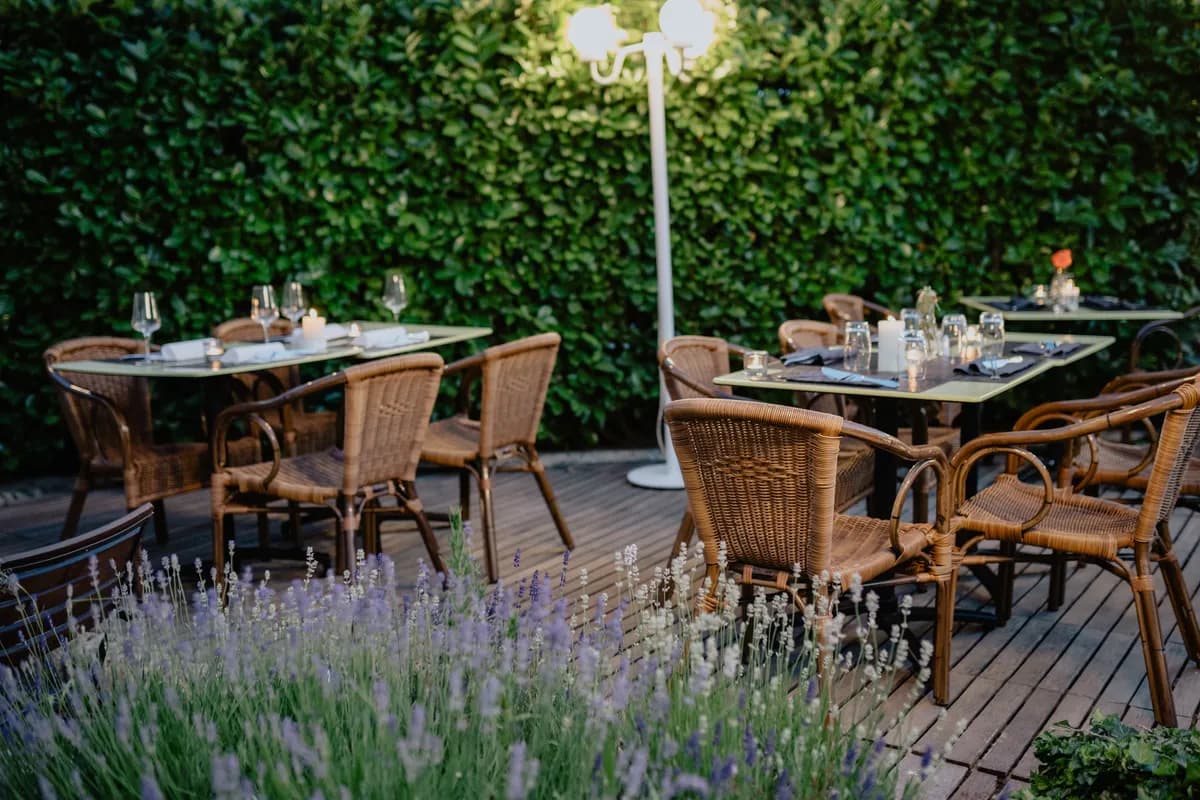
A living room shown in the listing may be understood as a communal lounge available for guests’ use. If it is only accessible at certain times or remains private, this should be stated clearly. The same applies to the kitchen, terrace and garden. Particularly in the case of a small house, a few clear sentences help to communicate openly and unambiguously about shared areas.
Also mention what options guests have outside breakfast times. Is there a kettle in the room, a communal drinks area or a fridge for guests to use? A description of the breakfast on offer should not inadvertently give the impression of a guest kitchen that is available at all times. Describe the facilities available using terms that reflect their actual use.
Think ahead to the first evening and the following morning
A clear description doesn’t just start at the door to the room. Explain how guests will find the building and whether they’ll be using a communal entrance. If the property is set back from the road, a photo of the entrance can be helpful. Confidential access details do not belong in the public text; there, it is sufficient to provide directions and the general method of arrival.
If guests are welcomed in person, describe the agreed arrangements without promising constant availability. Also bear in mind common practical questions: where can luggage be stored, how is the room accessed, and which areas are available for use in the evening? Only mention services that you actually provide. A short, clear list is more helpful than a long list of non-binding options.
Prior arrangements may be necessary for an early departure or late arrival. This can be phrased in a friendly manner without cluttering the text with special cases. Describe the standard stay first. Add details about special situations where they are relevant to the decision-making process, rather than attempting to cover every conceivable travel scenario in the listing.
Show your personality without mixing up the different spaces
A clear sequence of images should first show the room, then the en-suite bathroom, and finally the communal areas. Breakfast and an exterior view round off the tour. Mentally caption each photo with the question: ‘Does this specific area form part of the stay described?’ If the answer requires a qualification, this should also be clearly stated in the text.
If there are several rooms in the same property, it is worth checking the details very carefully. The same bed sizes do not automatically mean the same room size, view or bathroom facilities. Use your own photos for the specific listing. You may supplement these with general photos of the property, provided they do not give the impression that a different, larger room is on offer.
A personal atmosphere is often created by small, authentic details: the breakfast table, a reading corner or the path through the garden. You don’t need staged encounters or photos of other guests to achieve this. Show the rooms and items that characterise your everyday life as a host and that are actually present during a typical stay.
Create an offer that you can use in your day-to-day life
Before you start, check that the room description, breakfast details and available dates all match up. Also plan for days when you do not wish to make the listing available due to your own absence or other commitments. Your own preparation helps to keep the published content manageable and ensures that any subsequent changes are updated in the text and images in good time.
You can list your bed and breakfast for free on BookNoFees. During the listing process, select the type of accommodation and add a description, photos, details, a calendar and the price. You then submit your listing for review. Focus on the room you’re offering and your usual procedures. A genuine insight is created by the things you actually provide.
Frequently Asked Questions
How detailed does my description of the breakfast need to be?
Above all, explain whether it is included in the stay, where it takes place and what the usual routine is. An example description can complement the introduction. If the options vary, mention this. A long menu is less helpful than a clear picture of a typical morning.
Can the bathroom be outside the room?
Describe its location and use clearly. Guests should be able to tell whether the bathroom is private or shared, and how to get to it. Photos help to illustrate this. What matters is not a particularly short description, but a description that accurately reflects the actual room on offer.
How do I show that I live in the property myself?
A brief, friendly note is often enough. Mention which areas are shared and how check-in usually works. This does not have to involve constant supervision. Describe the personal setting in such a way that guests know what to expect, whilst you make your own boundaries clear.
Should I mix different rooms in a series of images?
The series of images should clearly show the specific property on offer. If several rooms are shown, their differences and how they are arranged must remain clear. A particularly large sample room must not give the impression that it is representative of a differently furnished room. You can also show communal breakfast and lounge areas.