

A guest house requires a unique bookable unit
Start with the most important distinction: is the entire house, a self-contained unit or a single room available to book? This information should be stated right at the beginning. The term ‘guest house’ alone leaves it unclear how many other people might be staying there. You should therefore describe the rooms on offer and their use in such a way that no one looking from the outside would assume the property is for exclusive use.
If you use different parts of the building, explain how they are connected. Perhaps you live next door, or perhaps there are additional guest rooms or a shared entrance. This can be part of the property’s character and need not be concealed. It is crucial that the description, photos and occupancy details always relate to the same specific listing.
Present communal areas in a friendly and clear manner
A kitchen, a breakfast room or a terrace can be places for socialising. Explain who uses them and at what times they are accessible, provided there are fixed arrangements in place. A shared space should not look like a private part of a room in the photos. A brief description makes it clear how guests can move around the house.
Practical details are also important in communal areas: where can food be stored, are there designated storage spaces, and how is use of the kitchen organised? You don’t need a long list of rules for this. Select the information that will make the first evening easier for a newcomer. A friendly tone and clear instructions go hand in hand.
Show sleeping spaces and places to retreat clearly
Take photographs of the rooms actually on offer and arrange the images so that differences remain clear. A particularly attractive room should not be used to represent an accommodation option with different facilities. Show the beds, available storage space and access to the bathroom. If several people are sleeping in one room, a clear description of the beds is more helpful than a general statement about cosiness.
Guests are also interested in whether a room is directly adjacent to communal areas or accessible via a passageway. Describe such features objectively. Blackout facilities and window position may also be important. A room does not have to meet every conceivable requirement; it should be presented in such a way that travellers can understand its possibilities and limitations before making a decision.
Hospitality begins with a clear arrival process
Explain how guests will find your property and where they should go first. A shared courtyard, a side entrance or a separate building can otherwise cause confusion. If you are welcoming guests in person, describe the arrangements for this without promising to be available at all times. Arranging a meeting point on arrival helps both parties to start their stay on a relaxed note.
Also consider the route from the car park or bus stop to the front door. Do guests have to climb stairs or carry their luggage a long way? Show the entrance and key access points in photos. Specific information about steps and floors is more helpful than a general statement about who the guesthouse is suitable for.
It should be easy to see what is included in the overnight stay
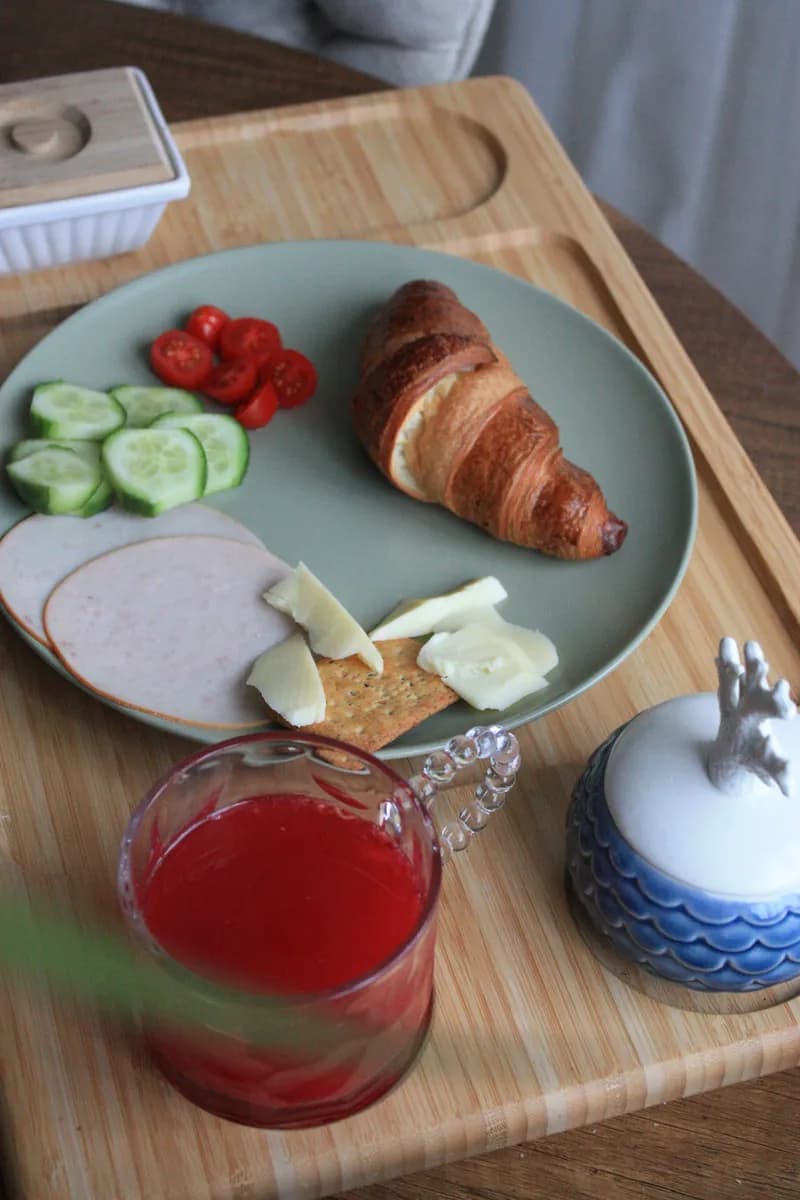
The term ‘guest house’ does not in itself indicate whether meals, cleaning during the stay or other services are provided. Describe only what is actually included in your offer. Otherwise, a photo of a laid table may raise expectations that you do not intend to fulfil. If guests are self-catering, this should, of course, be clearly stated in the text.
List the facilities available in the relevant rooms. A shared kitchen is different from a small tea-making area, and a private bathroom from one in the corridor. Such differences can be described in a friendly manner. They help travellers plan their luggage and daily routine without having to work out what’s available from individual photos.
Describe the community spirit that suits your home
Perhaps you’d like to offer a peaceful retreat, or perhaps your guest house is more about social interaction. Both can be described using specific examples. Is there a communal seating area in the evening, fixed quiet hours, or areas that remain private? A clear framework makes it easier for guests to adapt to sharing the space with others.
Also describe the immediate surroundings. Is the guest house situated in a residential area, on a main road or on a larger plot of land? A lively location can be convenient, whilst a secluded location may require more planning when it comes to supplies. Present the situation as it really is. Not every guesthouse needs to be centrally located, completely quiet and suitable for every type of traveller at the same time.
Get your listing just right, step by step
You can list your guesthouse free of charge on BookNoFees. Follow the standard procedure and provide the type of accommodation, description, photos, facilities, price and availability. Ensure all details relate to the specific unit that guests are actually booking. The suggestions provided here are intended to support your text; they do not automatically turn a guesthouse into a hotel, nor do they require you to offer additional services.
Review your draft as if you were someone staying with you for the first time. Is it clear which rooms are private, which are shared, and how the arrival process works? You can then add personal details: why you enjoy being a host or which part of the house you particularly like. Accuracy and a warm invitation are not mutually exclusive; rather, they complement each other perfectly.
Frequently Asked Questions
Can I offer a guest house even though I live on the property myself?
Describe the actual layout and select the appropriate option in the listing. It is important that guests understand which rooms they will have to themselves and where they might encounter other guests. Your presence may form part of the property’s hospitality, but this should be communicated just as clearly as a shared entrance, garden or lounge.
Does a guest house have to offer breakfast?
Do not infer included services from the name. Describe what you actually offer and what guests need to organise themselves. If there is a kitchen or facilities for making coffee and tea, specify the equipment available. Only mention catering in a way that makes it clear whether it is included in the specific accommodation offer.
How do I avoid misunderstandings when there are several rooms?
Match the text, photos and availability details to the specific unit being offered. Explain whether guests will be staying in a specific room or the whole house, and which areas are shared. If rooms differ significantly, a single photo should not be used to represent others without clarification. A clear and straightforward listing is more helpful than a photo gallery that is as comprehensive as possible but unclear.
Which photos are most important to start with?
Show the bedrooms on offer, the en-suite bathroom, the entrance and any living or kitchen areas. Include an exterior view and specify in the text where shared facilities are available. Details such as décor or garden flowers can follow. First and foremost, guests should be able to see which rooms will actually make up their stay.