


Describe the accommodation in your own words
Start with the specific accommodation on offer. Are you letting out a room, several adjoining rooms or an entire property? Explain which areas guests will have for their own use and which will be shared with others. You do not need to provide a general definition of a ‘Casa Particular’. A description of your own rooms is far more helpful in helping guests make a decision.
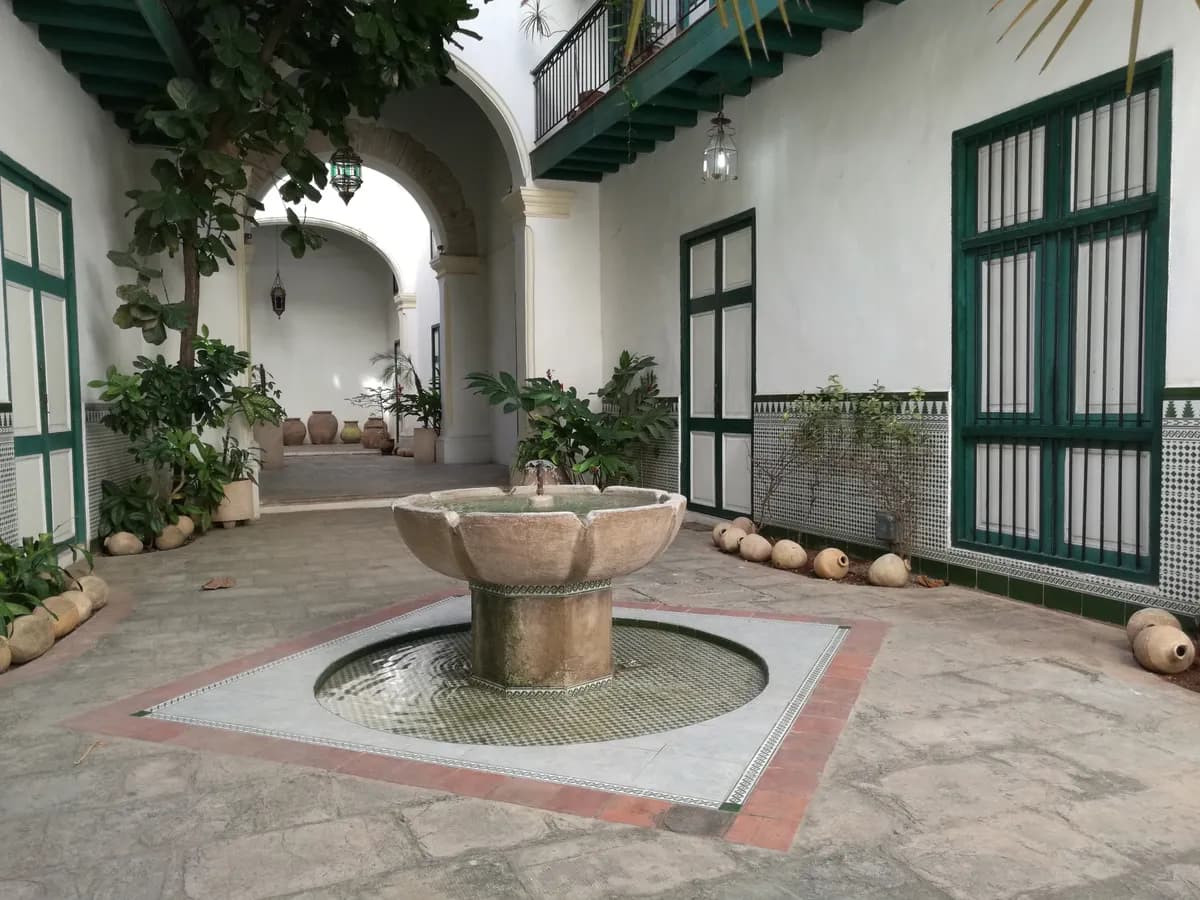
A separate entrance is an important detail, but it doesn’t tell the whole story about privacy. Perhaps it leads through a shared courtyard, or perhaps the room is next to your private quarters. Describe these spatial relationships in a friendly and clear manner. This creates a picture of the stay that does not rely on assumptions about a particular region or living culture.
Choose a title that truly highlights what makes your accommodation special. A private courtyard, a private balcony or a room with separate access could be such features, if available. Avoid adding details that merely create a general impression of exoticism or authentic living, but say little about what you are actually offering.
Describe your personal interaction with your guests without promising constant supervision
If you live in the property yourself, this should be made clear right from the start. Explain how check-in is normally organised and the extent to which you’ll be available on site. A personal welcome is not the same as a permanently staffed reception point. You should therefore describe the day-to-day experience you actually wish to offer, rather than promising unlimited availability out of a sense of friendliness.
The extent to which living spaces are shared should also be made clear. Are the breakfast table, kitchen or living area shared, or do these areas remain private? Guests have different expectations. Some are looking for interaction, whilst others prefer to live independently. A clear framework allows both parties to see whether your offer suits their needs, without prescribing a specific way of interacting with one another.
You can explain what matters to you as a host: for example, a peaceful arrival, clear arrangements or a hassle-free daily routine. Keep such personal statements closely tied to specific actions. General promises about a warm, family-like welcome can be interpreted in very different ways. The actual itineraries and opportunities for interaction provide a better basis for setting expectations.
Clearly identify bedrooms, bathrooms and relaxation areas
Show each sleeping area on offer with its actual furnishings. Describe the beds, storage space and spatial layout. If two rooms are next to each other, are they accessible via a connecting door, or is access via a shared corridor? These arrangements are difficult to deduce from individual room photos alone and therefore deserve a brief explanation.
When describing the bathroom, specify both its location and how it is used. A private bathroom may be situated outside the room. A bathroom directly adjoining the room may, in turn, be connected to a second room. Avoid ambiguous abbreviations and describe the exact route. Guests should be able to understand, without having to ask, which areas are available to them during their stay.
Also bear in mind the time between outings and bedtime. Are there seats in the room or an additional lounge area? Is there a shared terrace? Highlight these features with the same care as you do the beds. A cosy retreat doesn’t have to be large, but it should be presented in the listing as it can actually be used.
Do not leave meals and self-catering options unspecified
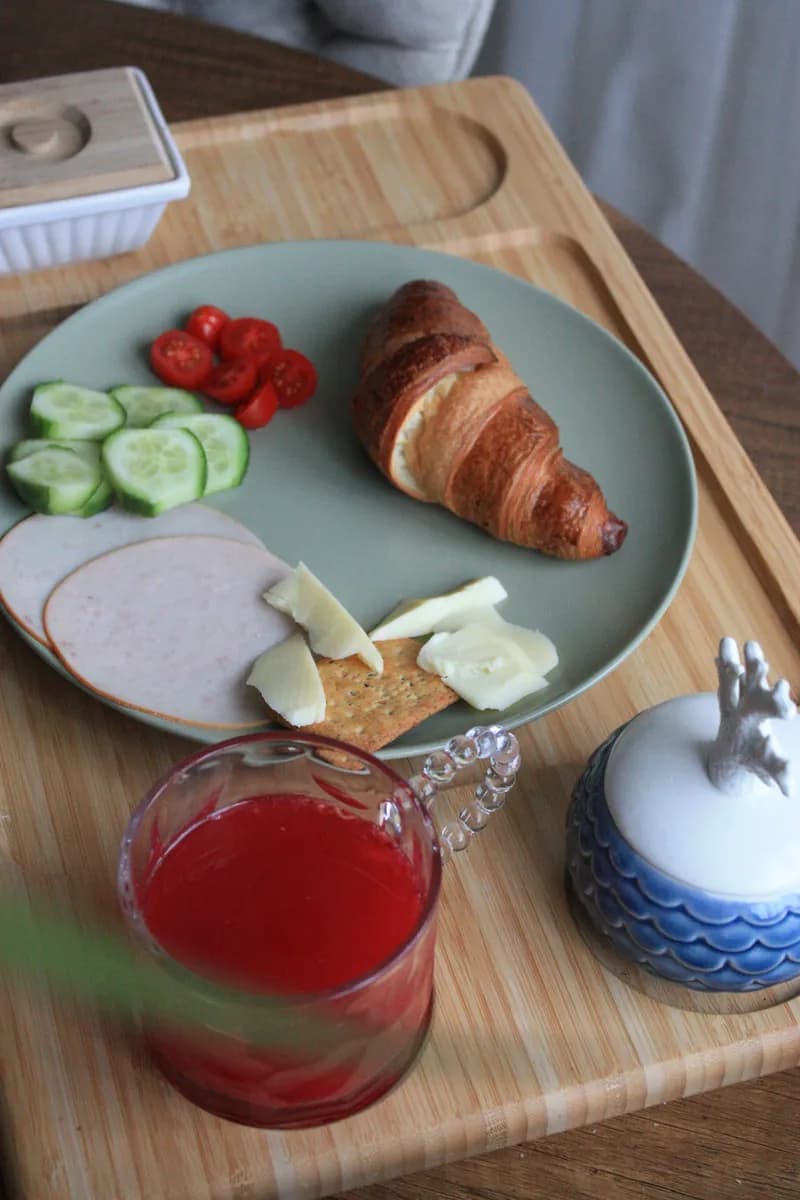
The term ‘Casa Particular’ does not imply any specific catering arrangements for your particular listing. You should therefore explicitly state whether breakfast or other meals are included and what self-catering facilities are available. If you do not offer any meals, a clear description of the actual use of the kitchen or other available facilities is more helpful than remaining silent on this matter.
Distinguish between a guest kitchen that is freely available for use and individual facilities such as a fridge or kettle. Otherwise, a photo of your private kitchen may suggest a use that is not intended. If an area is shared, describe the usual arrangements. A brief explanation is often sufficient to enable guests to plan their daily routine realistically.
Linen, facilities and longer stays should also be explained in terms of specific amenities. If there is a table, where is it located, and which areas can be used? Avoid making sweeping service promises based on individual visible items. Describe only those things that form part of the stay on offer, and highlight points that actually require prior arrangement.
Show the neighbourhood from the perspective of arriving guests
Describe the route from the public road to the accommodation. A courtyard, a side door or an upper floor may initially be difficult for new guests to locate. A recent exterior photograph helps with orientation. Confidential access details do not belong in the public description text; instead, outline the general arrival situation and clearly identifiable landmarks there.
Mention any special features of the immediate surroundings that you are personally familiar with. These may include shops, streets, regularly used communal areas or a location within a residential area. Avoid making sweeping generalisations about a place or its people. When planning a trip, the specific surroundings of your accommodation are more interesting than a general description of a country or way of life.
Your sequence of images should take the viewer from the room on offer to the bathroom, communal areas and the exterior view. Personal items can help convey the property’s character, provided they are actually present during the stay. Photos of other people are not necessary for this purpose. The accommodation itself speaks volumes if the images clearly illustrate how it is used and the layout of the space.
Tailor your listing to your actual daily life
Before you begin, make a note of which areas you wish to offer and when, and which arrangements you will organise yourself. Check availability against your own use of the property. Then check that the price, photos and description accurately reflect the service on offer. Particularly in shared properties, small changes in daily life can affect the use of individual rooms.
You can list your Casa Particular free of charge on BookNoFees. During the listing process, select the type of accommodation and add a description, photos, details, a calendar and the price. You then submit your listing for review. Focus on your actual accommodation. Neither a specific regional history nor a particularly extensive range of services is required for a helpful description.
Frequently Asked Questions
Shall I explain what ‘Casa Particular’ means to me?
Yes, by describing the specific offer: rooms, communal areas, meals and contact with the host. You do not need to provide a general cultural or regional definition. Guests should be able to understand what their stay with you will be like and what services are actually included, regardless of any preconceptions they may have had about the term.
Do I have to provide meals?
Do not claim in the listing to provide meals that you do not actually provide. Explain the actual scope of services and the options available for self-catering. If meals are offered, describe their usual format. It is crucial that guests do not have to infer any additional services from the name or from photos of the kitchen.
How much of a personal touch should go into the description?
A brief introduction to your daily life as a host can provide some context. Information about check-in and shared areas is helpful. Private family stories or personal details are not required for this. Write in a way that conveys the human aspect whilst ensuring your own boundaries remain clear.
How do I describe several shared areas?
List them individually and categorise them according to their actual use. A shared courtyard is different from a shared kitchen or bathroom. A clear explanation prevents guests from inferring too much or too little about their privacy from a single word such as ‘shared’.