


Let the location speak for itself, without promising a cliché
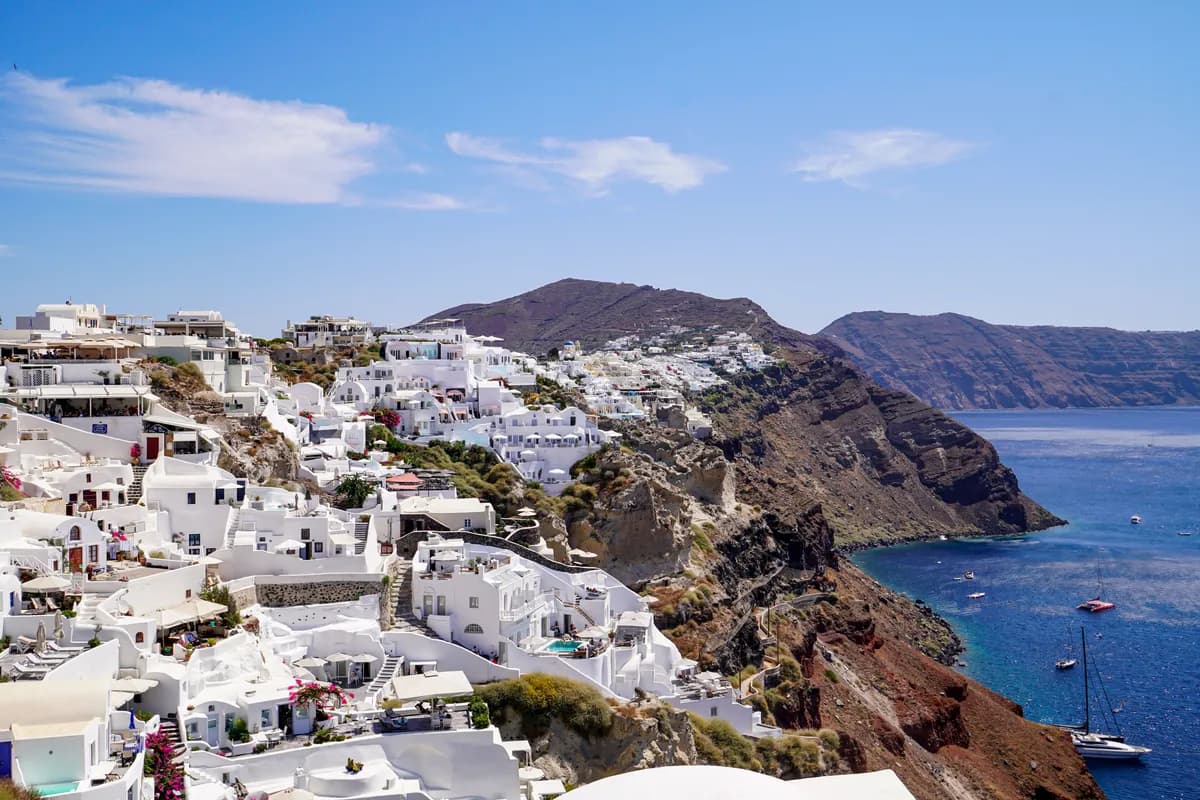
Bright houses, colourful shutters and small courtyards are part of the landscape of Cycladic architecture, particularly on Folegandros. However, this does not mean that every house has the same features. Describe the rooms, materials and outdoor areas that your guests will actually use. A simple village house can be just as interesting as an elaborately furnished holiday home with sweeping views.
Also explain what your listing comprises. Is the entire building available, a flat within the house, or a room with shared facilities? Make this distinction clear from the outset. The term ‘Cycladic house’ conveys an architectural context, but does not replace a description of the layout, privacy or facilities provided.
The journey from arrival to the front door
Anyone planning a holiday on an island thinks first of all about their arrival and only afterwards about the final journey to the house. It is precisely this part that deserves attention. Can a vehicle drive right up to the door? Is there a meeting point, a flight of steps or a footpath through narrow alleyways? Describe the access in such a way that guests with luggage can get a realistic idea of what to expect.
Avoid specifying fixed travel times or connections that are subject to change. You can explain where the accommodation is located and what the final leg of the journey generally involves. If you provide information regarding late arrivals, ensure it matches what is actually feasible in terms of reception. A well-lit entrance, a clear landmark and clear arrangements are more helpful than a general statement that everything is easily accessible.
Clearly distinguish between the terrace, courtyard and roof area
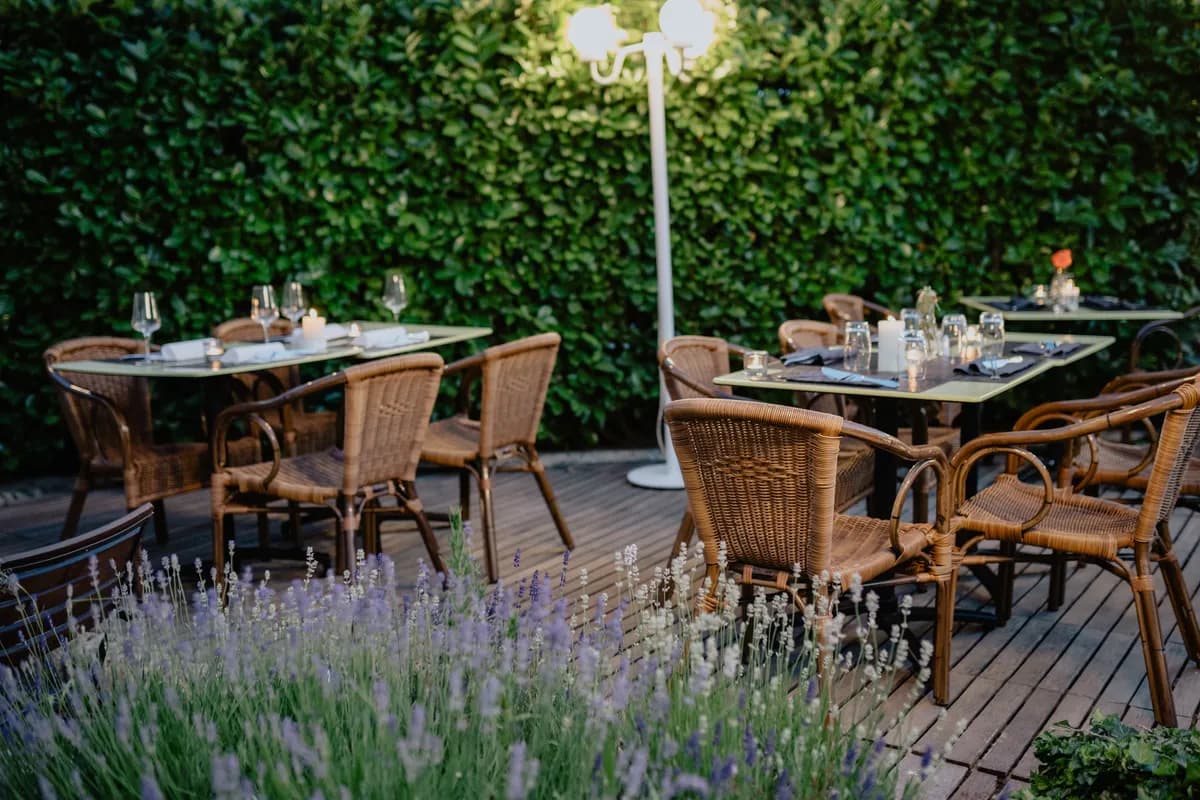
Not every attractive area shown in a property photo is included in the stay. Show which terrace or courtyard may be used exclusively and which paths are shared with neighbours. A roof area should only be shown as a living space if it is actually intended for that purpose and is accessible. Describe seating areas and sunshades based on the existing facilities, without inferring them from the architectural style.
The layout of an outdoor area can influence the daily routine. Perhaps the breakfast spot is pleasantly shaded in the morning, whilst another corner is only used in the evening. Such observations bring your description to life. If wind affects how the space is used, this may be mentioned objectively. Guests will then be better able to judge whether they’d like to eat, read or simply take in the surroundings outdoors.
Show the connections between the rooms
Older houses may have unusual layouts. Perhaps a bedroom is accessed via the living room, the bathroom is at the back of the courtyard, or two areas have separate entrances. Take photographs and describe these layouts. For a family or two couples travelling together, it is not just the number of beds that matters, but also how you interact within the house.
Mention low doorways, stairs and split-level areas where they affect the stay. This does not detract from the beauty of a characterful house. On the contrary: those who are aware of such features in advance can make a more informed choice. Also, describe any available blackout facilities, ventilation and cooling in concrete terms, rather than automatically assuming that thick walls or light-coloured façades will ensure pleasant temperatures in every season.
An island house is situated in a real neighbourhood
Is your house situated in the heart of the village, on a busy road or on the outskirts of a village? Describe the surroundings guests can expect. Voices in a narrow lane, a nearby restaurant or everyday traffic may all be part of the experience. A description such as ‘secluded’ or ‘completely quiet’ should only be used if it accurately reflects the actual circumstances. ‘Authentic’ does not automatically mean ‘silent’.
Personal, verifiable information is helpful: where does a walking trail start, how do you get to the nearest shop, and which routes are best covered on foot? Keep such host tips separate from the services you’ve agreed to provide. A favourite spot in the local area is not automatically part of your accommodation, and an excursion is not included in the booking simply because you recommend it.
More everyday life, less picture-postcard scenery
An exterior shot may pique people’s curiosity. After that, your photos should show what life is like inside the house: the dining table, the beds, the bathroom and the way outside. Take photos of areas without a view as well. Guests book accommodation and want to understand what’s available to them throughout their entire stay, not just during a particularly beautiful sunset.
If a photo shows the sea or countryside, make it clear from which vantage point this view is taken. A view from a public alleyway should not be presented as if it were the view from the bedroom. Include photos taken in normal daylight. This ensures that colours, room sizes and windows remain clear, whilst individual atmospheric shots still give the house its own personal atmosphere.
A clear introduction for your next guests
You can list your Cycladic house for free on BookNoFees. Follow the general procedure and fill in the relevant accommodation type, your description, photos, facilities, price and availability. If you rent out seasonally, base your details on the periods during which you actually wish to offer the house. Only describe facilities and living areas that are included in this listing.
Finally, it helps to look at it from the perspective of someone who knows neither your island nor the house. Are the journey, sleeping arrangements and shared areas clear? Is it obvious where the stairs are and which outdoor areas are included? You don’t need to write a travel guide. A personal, detailed description can build anticipation whilst also answering practical questions.
Frequently Asked Questions
Does a Cycladic house have to be white with blue shutters?
Do not describe features that your house does not possess. Regional architecture cannot be reduced to a single colour scheme. What matters for your listing is the actual type of building, its location and the rooms available. If you use a description, it should accurately describe your house and not merely evoke a romanticised image of an island holiday.
How do I describe access without direct driveway access?
Explain the final section leading up to the door: the starting point, the approximate walking distance, any steps and, if applicable, a place to unload. Specific details are more helpful than a general classification as ‘easy’ or ‘difficult’. Bear in mind guests with suitcases or pushchairs. Personal arrival instructions can later supplement the exact directions.
Should I mention shared courtyards?
Yes. Make it clear whether a courtyard is reserved solely for your guests’ use or whether it also serves as a thoroughfare and communal area for others. This also applies to entrances, terraces and external staircases. You can describe shared use in a friendly manner, without promising privacy that the property does not offer. This way, guests know what kind of communal living to expect.
Can I start by simply listing my existing property?
Yes. You don’t need to invent any additional experiences or services. Create your actual accommodation listing through the standard listing process and select the appropriate category yourself. Personal tips about the surrounding area can be added to the text. However, they must not replace the basic details regarding which rooms, beds and facilities are included in the accommodation.