

Tell the story of your house, not that of all trulli
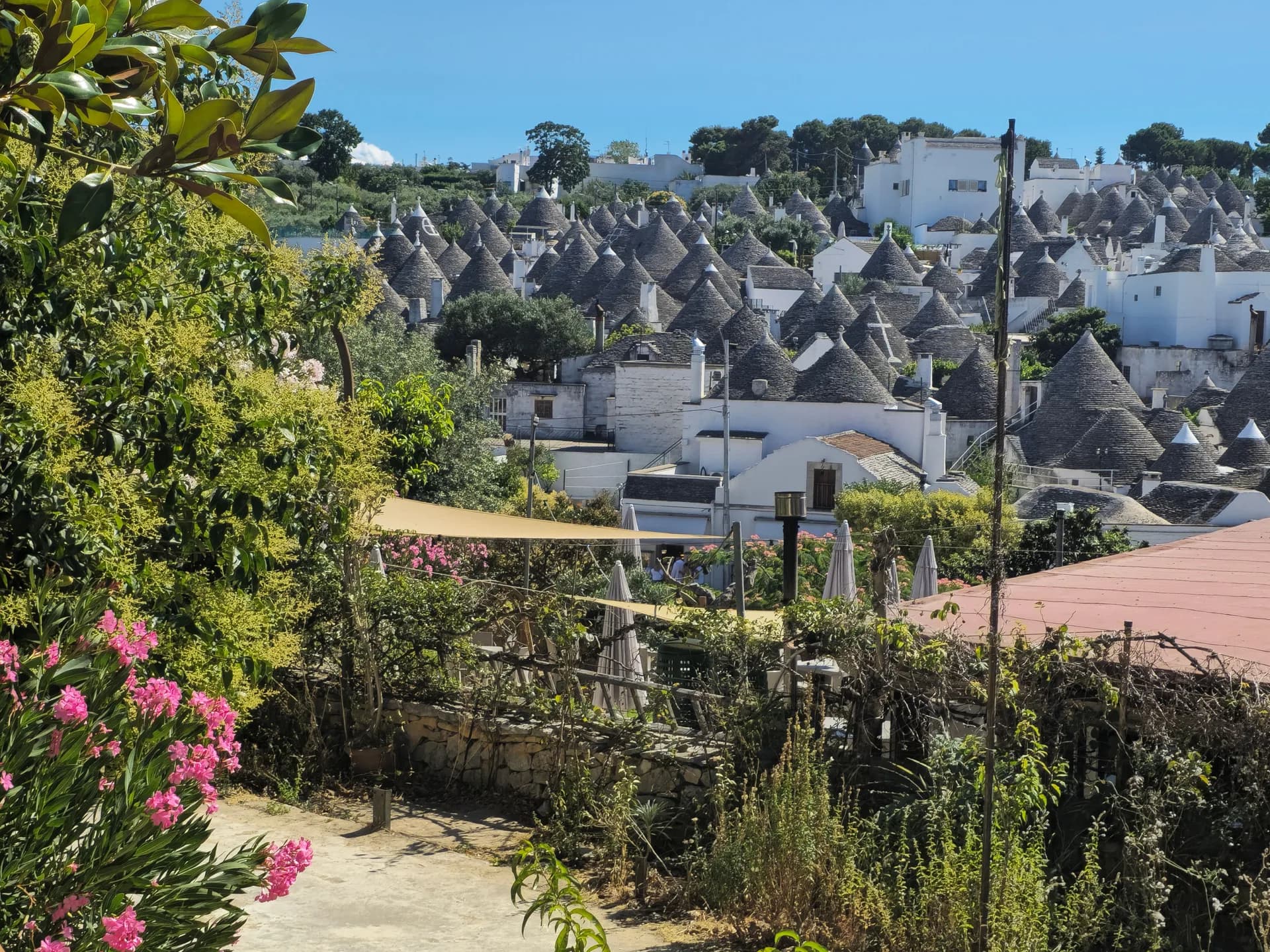
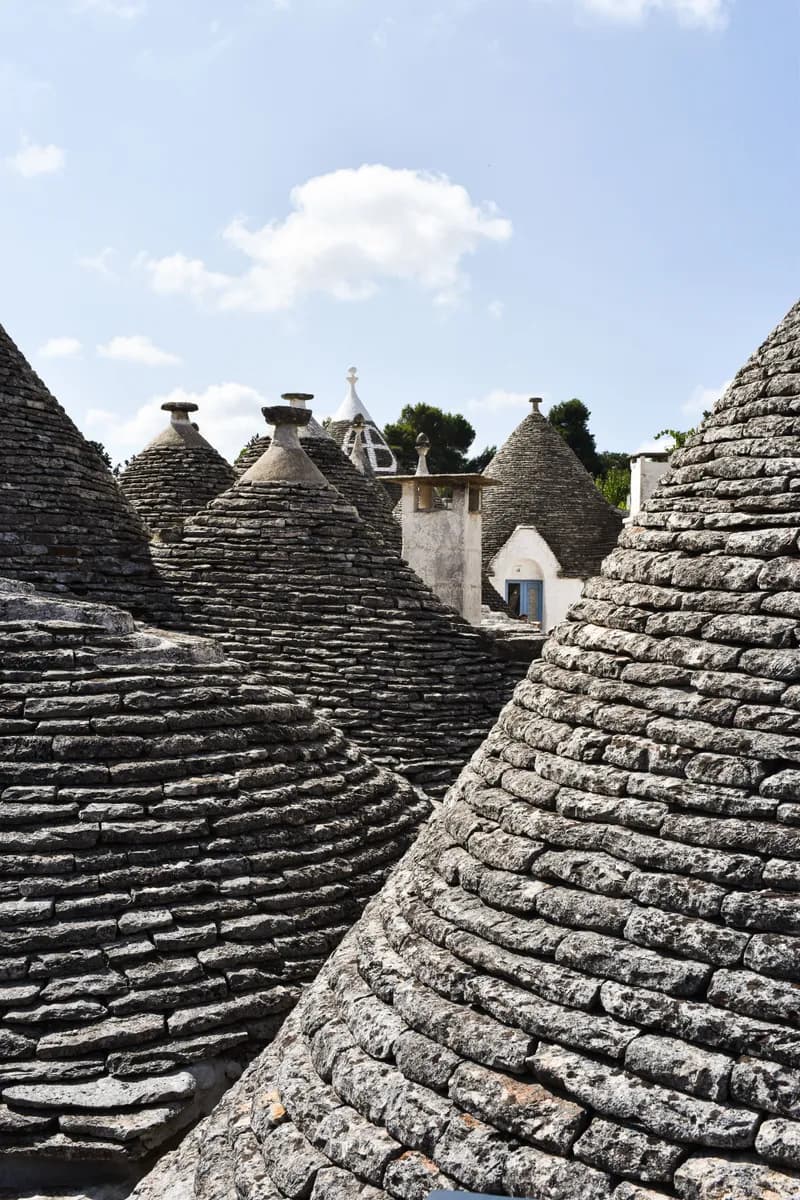
Trulli are associated with Apulia; the cone-shaped houses in Alberobello are particularly well known. Your own house may be situated in a village, amongst fields or on a larger plot of land. Start by describing this actual context. A regional architectural tradition says nothing about how old your building is, who used it in the past or what conservation status it has today.
If you have reliable information about the history of your trullo, you can combine it with your own observations. Perhaps a former workroom was converted into a bedroom, or an existing alcove into a seating area. Distinguish between its documented history and its current layout. Terms such as ‘listed building’ or ‘UNESCO’ should refer to verifiable circumstances and not solely to its proximity to a well-known tourist destination.
Make the floor plan under the various roofs easy to understand
Several conical roofs may look like separate houses from the outside, even though there are interconnected rooms underneath. Conversely, an additional bedroom may only be accessible via the courtyard. Explain the layout of the rooms in simple terms: from the entrance to the living area, then on to the bathroom and the bedrooms. List any rooms that are used as passageways and any doors that must be shared during the stay.
In the case of a complex, it is important to specify which buildings form part of the booked accommodation. Does an outbuilding form part of it, or does someone else live there? A simple floor plan or a clear sequence of images helps with orientation. Also show any low doorways and unusual ceiling heights. Such features are part of the house’s character, but they have a very practical impact on how guests move around inside.
- Assign each bedroom to the actual building or room in which it is situated.
- Explain whether there are outdoor routes between the sleeping area, bathroom and kitchen.
- Show low doorways, individual steps and narrow passageways with clear dimensions.
- Specify private areas and communal spaces within a larger complex.
Describe the lighting and ambience of your trullo
Stone walls, small openings and the orientation of the house characterise the living experience. However, this does not allow for a general ‘comfortable’ temperature to be determined for every season. Describe the heating or cooling system available and explain which rooms it covers. If you only offer accommodation during certain months, ensure that photos and information are tailored to that period. The facilities should be appropriate for the stay you are actually offering.
Daylight also deserves an honest portrayal. A bright extension can look very different from an internal sleeping area beneath a sloping roof. Photograph the rooms in such a way that windows and light sources remain clearly visible. Good lighting by the bed, dining table and in passageways makes everyday life easier. Darker areas do not need to be hidden; they simply should not give a false impression due to excessively brightened images.
Make the facilities just as clear as the architecture
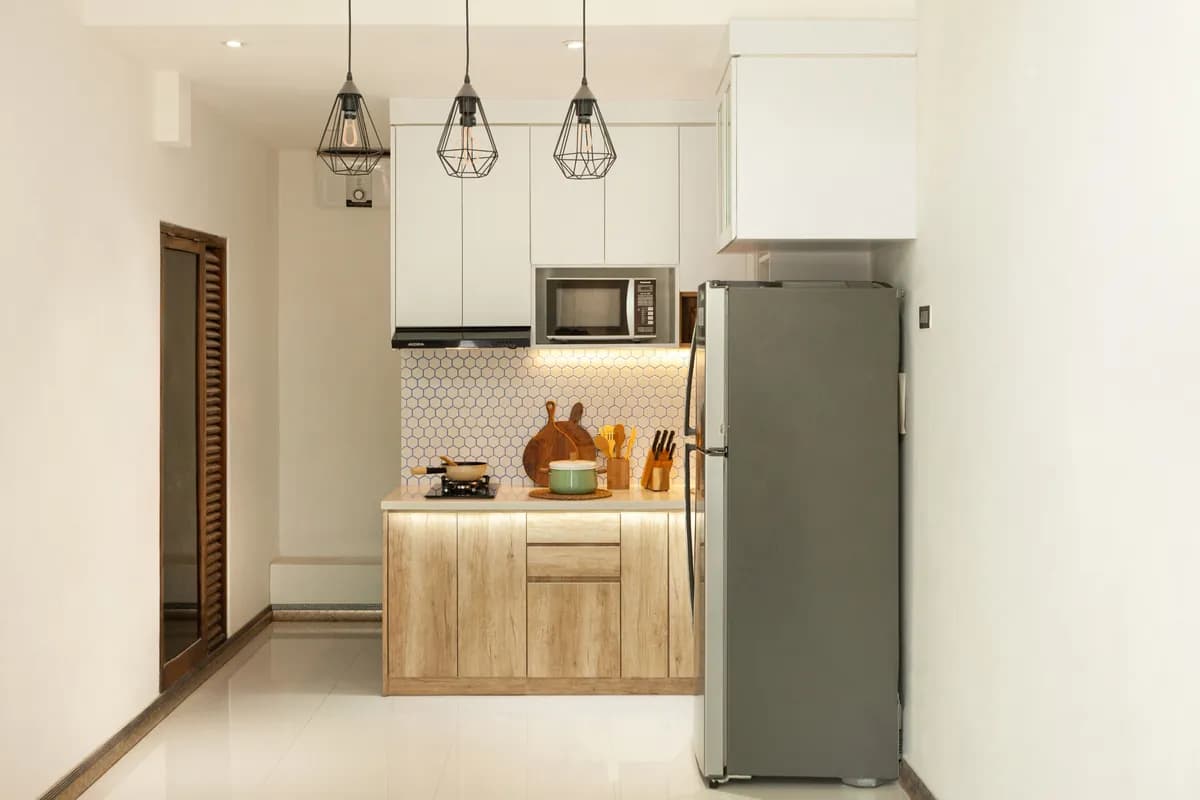
An impressive roof alone does not explain how guests will have breakfast or take a shower. Therefore, show the kitchen and bathroom in full, even if they are located in a newer part of the building. Specify the cooking facilities actually available and the size of the dining area in relation to the number of guests accommodated. Anyone staying for several days will also need space for food, clothes and the items they bring with them on their travels.
On a remote property, utilities and waste disposal may be organised differently to in a city flat. Explain any relevant details for guests in a clear and understandable way, such as regarding drinking water or the use of existing facilities. Do not make unsubstantiated claims about self-sufficiency or environmental sustainability. Before the first stay, check for yourself that instructions are easy to find and that the house is practical to use even with all the expected guests.
Show the route from public transport or the car park to the door
If your trullo is located outside a village, describe the final stretch of the journey in particular detail. A narrow path, an inconspicuous gate or several similar buildings can make arrival difficult. Specify the designated car park and the remaining walk. If a car is practically necessary for shopping or excursions, guests should know this in advance and not only realise it after they have arrived.
The property offers more than just beautiful stone walls and a laid table. Explain which outdoor areas guests are permitted to use, where neighbours live and whether paths are shared. A swimming pool should only be included in the listing if it is actually present and available for use during the period described. The fact that other trulli in the region feature a swimming pool should not create an unspoken expectation regarding your property.
Combine the exterior view with a full virtual tour
Start with a photo in which the property on offer is clearly recognisable. Then guide the viewer through the entrance, living area, sleeping areas, kitchen and bathroom. If there are several buildings, a caption helps to identify which is which. Scenes of the surrounding area can whet the appetite for the region, but should be clearly distinguishable from the accommodation itself. A famous trullo in the town centre is no substitute for a photo of your own house.
Details of the property, such as a vaulted ceiling, a niche or an old door, complement the tour. They should not overshadow the overall view. Show outdoor areas with their actual proximity to other buildings and only photograph areas that guests are permitted to use. If the furnishings or usage have changed, update the images. People rely heavily on visible details, particularly when it comes to a distinctive building.
Get that special house ready for an ordinary day’s holiday
Before you start, mentally run through an entire stay: arrival after dark, the first breakfast, a day in the property and departure with luggage. This will highlight questions that a quick photo shoot might overlook. Is the entrance easy to find? Is there sufficient storage space? Are instructions for unfamiliar facilities easy to understand? Also, clarify the requirements for use and operation that apply at your specific location.
You can advertise your trullo free of charge in the general hosts’ section at BookNoFees. To do so, prepare a description that combines the unique architectural style with the actual level of comfort. Your own knowledge of the property is more valuable than grand promises. Anyone who understands what makes this place special and how daily life works there can make an informed decision as to whether this particular trullo is right for their planned stay.
Frequently Asked Questions
Does a trullo have to be in Alberobello?
No. This architectural style can also be found outside Alberobello. State the actual location and describe the surroundings of your property. Avoid attributing the fame or protected status of another location to your building. For guests, the specific location and nearby attractions are key.
How do I describe a trullo with a modern extension?
Clearly assign the rooms to the different parts of the building. Explain, for example, whether sleeping areas are located beneath the traditional roof and whether the kitchen or bathroom is in an annexe. Up-to-date photos and a clear layout of the rooms help guests understand how the different areas fit together and the routes they will take during their stay.
Should I explicitly highlight low doorways?
Yes, unusual doors and ceiling heights can affect a guest’s stay. Photograph them to show their scale clearly and state relevant measurements if you have taken them accurately. A factual description helps guests more than a general statement that the property is equally suitable for everyone.
Can I promise a pleasantly cool house in summer?
It is better to describe the actual conditions and the cooling facilities available. The indoor climate depends, amongst other things, on the weather, the building’s orientation and how it is used. A stone house does not remain at a constant temperature under all circumstances. Your own observations at specific times are helpful, but should not be turned into a blanket temperature guarantee.
How do I get started with my Trullo listing?
Start in the general hosts’ section at BookNoFees. Listing is free. Gather up-to-date photos and describe the building, room layout, facilities and how to get there. Give particular thought to the questions people with no experience of this type of building might have. These answers make your listing clear and help with travel planning.