


Start by describing the rooms where your guests will be staying
The term ‘barn’ initially reveals little about the interior. Therefore, state right at the start whether guests will be using an open-plan living space, a self-contained flat or individual rooms. If only part of the building is used as accommodation, specify which part. A large exterior view should not give the impression that all visible areas are included in the rental.
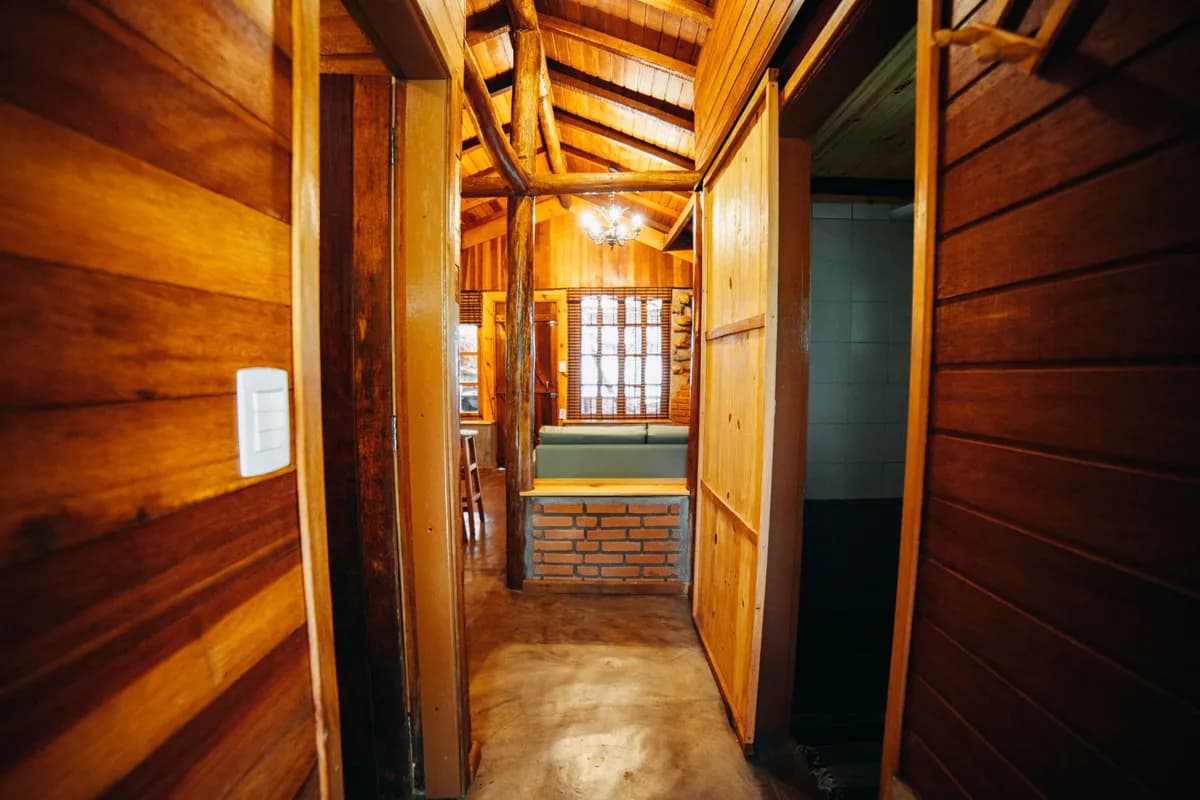
Perhaps there are storage rooms in addition to the living area. Perhaps a shared access route leads past a private workshop. Such spatial relationships can be explained matter-of-factly without downplaying your listing. A description of the route from the entrance to the living area, sleeping quarters and bathroom is particularly helpful. It turns an unusual building into a place where people can really picture themselves staying.
Focus on the overnight stay. A large open space or a long table does not automatically mean that parties, events or other uses are included. If you offer accommodation exclusively, the description should stick to that. Photos of previous private parties are therefore less suitable than pictures of the living area as it is currently furnished.
Distinguish honestly between openness and privacy
An open sleeping area within the barn may look like a separate bedroom in photos, even though it is acoustically and spatially connected to the living area. Explain whether there are any doors and how the sleeping areas are separated from one another. This is an important factor for people travelling together, particularly if they have different sleeping patterns.
Show stairs, low beams and areas with reduced headroom. The aim is to provide a clear visual of the routes, not to make a general assessment of suitability. A photo of the open sleeping area inside the barn taken from below, along with one of its access point, complements the description better than a shot showing only the made-up bed.
High ceilings do not automatically mean plenty of usable living space. You should therefore also describe the areas where daily life takes place. Where can several people eat together? Is there a quiet spot apart from the open-plan main room? Which sleeping areas are only set up in the evening? The answers help to strike a good balance between atmosphere and practical use.
Describe the temperature, lighting and facilities in detail
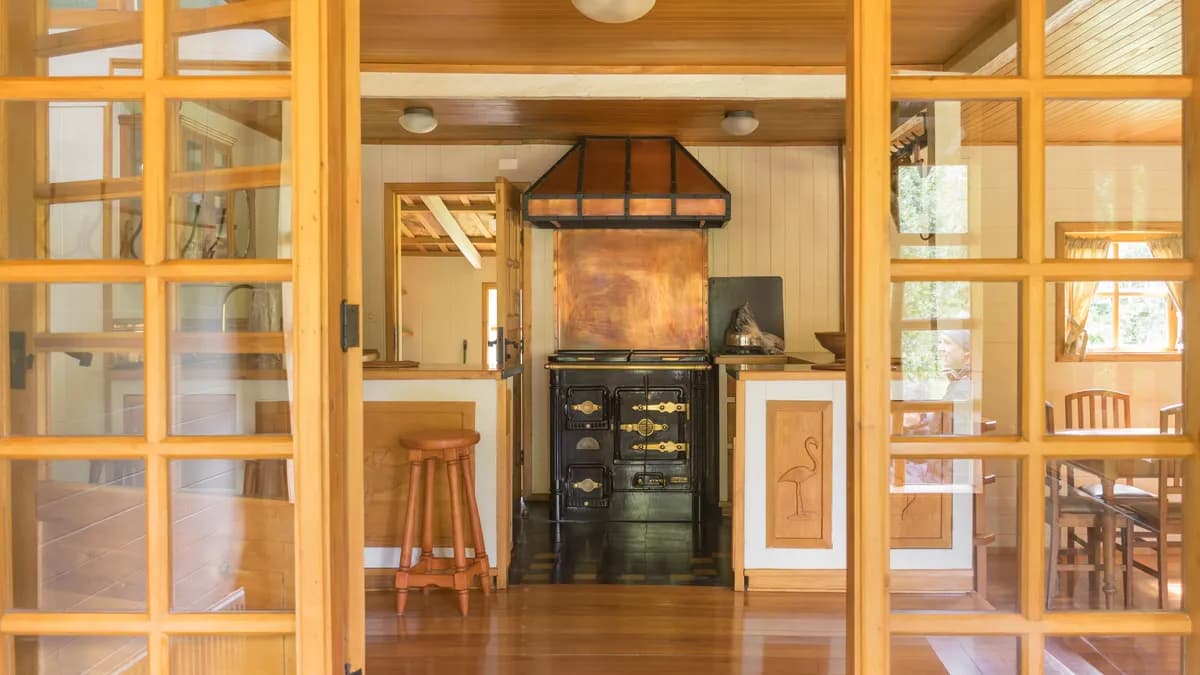
Guests are not familiar with the architectural features of your barn. List the available heating options and describe which rooms are equipped with them. A visible stove may raise questions about how to use it. Explain only what you actually provide and how the stay is organised, rather than allowing guests to infer specific facilities solely from the photo.
Daylight can also be depicted more accurately. Large windows in the living area do not indicate whether a sleeping area has its own windows or receives light from the main room. Photograph the rooms under normal lighting conditions. If curtains or other blackout options are available, describe them as specific features and avoid making absolute promises regarding darkness.
The kitchen and bathroom deserve just as much attention as the beams and brickwork. A small kitchenette may suit some stays, whilst for others a larger kitchen is important. List essential appliances and show the available worktops. This ensures that the unique architectural features remain part of the offering without overshadowing its practical, everyday functionality.
Include life around the barn
If your accommodation is situated on a working farm, describe the surroundings as they are. This may include people at work, vehicles, animals or ancillary areas used from time to time. Do not imply that the rural location guarantees constant tranquillity. Specific references to regular activities are more useful for planning than a general promise of natural surroundings.
Keep the guests’ area separate from business and private areas. Which terrace is available to them? Is the path across the courtyard also a access route? A photo can illustrate this, whilst a short sentence explains how it is used. Rooms or equipment in the background should not appear to be additional offers if they are not part of the stay.
If there are animals on the premises, describe how close they are to the accommodation without presenting an encounter with or care of them as an included activity. Outdoor furniture should also be shown in up-to-date photographs. A seating area right next to the building and a distant meadow convey different stories; show which parts guests can actually use during their stay.
Highlight unique features without losing sight of the bigger picture
A good sequence of images starts with the furnished living area or an exterior view showing the part of the building that is used. This is followed by sleeping areas, the bathroom, the kitchen and entrances. Detailed photos of wood, stone or old fittings can complement the series. However, they should not replace the images that guests need to plan their stay.
Avoid descriptions that rely solely on the building’s former purpose. You can mention which features have been preserved, provided you know this. You do not need to estimate the age of a beam or provide a detailed history of the building’s construction. A simple sentence about visible wooden beams is more credible than a historical account whose details you cannot substantiate.
Ask someone else to look at the photos in the intended order. Can they tell where they would sleep, cook and shower? Can they tell whether the gallery is open? If these questions remain unanswered, it is usually not because the text isn’t good enough, but because a clearer photo or a brief spatial explanation is missing.
From the special features to the finished listing
Before you start, note down the sleeping arrangements, the part of the building on offer and the key procedures on the property. Plan availability taking into account your own use of the property and any necessary preparations. If individual areas are used differently depending on the season, this should be clearly indicated in your description. Ensure that prices and photos relate specifically to the accommodation being offered.
You can list your barn accommodation free of charge on BookNoFees. During the standard listing process, select the type of accommodation and add a description, photos, details, a calendar and the price. You then submit the listing for review. When doing so, highlight the building’s unique character alongside the living facilities that your guests can actually use during their stay.
Frequently Asked Questions
Does the entire barn have to be part of the accommodation?
No. It is crucial that you clearly specify the part of the property being offered. Describe separately which rooms guests will use and which areas remain private or are used for other purposes. Exterior photos should match this description so that the size and scope of the accommodation cannot be inferred solely from the building’s façade.
How do I describe a sleeping area on a mezzanine?
Mention the open connection to the room below and show how to access it. Include any distinctive features such as a sloping ceiling or a narrow staircase. A loft can make a lovely sleeping area; it should simply not be presented as a separate bedroom if there is no appropriate partition.
Should the previous use be explained in detail?
A brief, accurate history can convey the character of the place. However, the current furnishings and use are more important when it comes to deciding on a trip. Start with the accommodation details and only include historical details that you are aware of. Nobody needs to read a lengthy history to find out whether there is an en-suite bathroom.
Are events automatically included in the listing?
No. This page treats the barn as overnight accommodation. The size of the space or its furnishings do not imply that it is available for events. Describe only the use you actually wish to offer, and choose images that show this type of stay. A large table can simply be the communal dining area.