


Take guests on a mental tour of every usable level
Start your description where guests enter. What is on the ground floor, what is one floor above, and on which level are the bedrooms? A brief layout helps guests find their way around. Also state whether the entire tower is available or just one flat within it. Shared access to other units is different from a house that a travel group has entirely to themselves.
Match the details of the rooms with the appropriate images. If the bathroom is two floors below the bedroom, this should already be clear from the description. Explain which floors are purely living areas and whether guests need to pass through another bedroom to get there. An unusual layout can be appealing, provided guests are aware of the practical implications before making a booking.
The staircase is a key feature of your listing
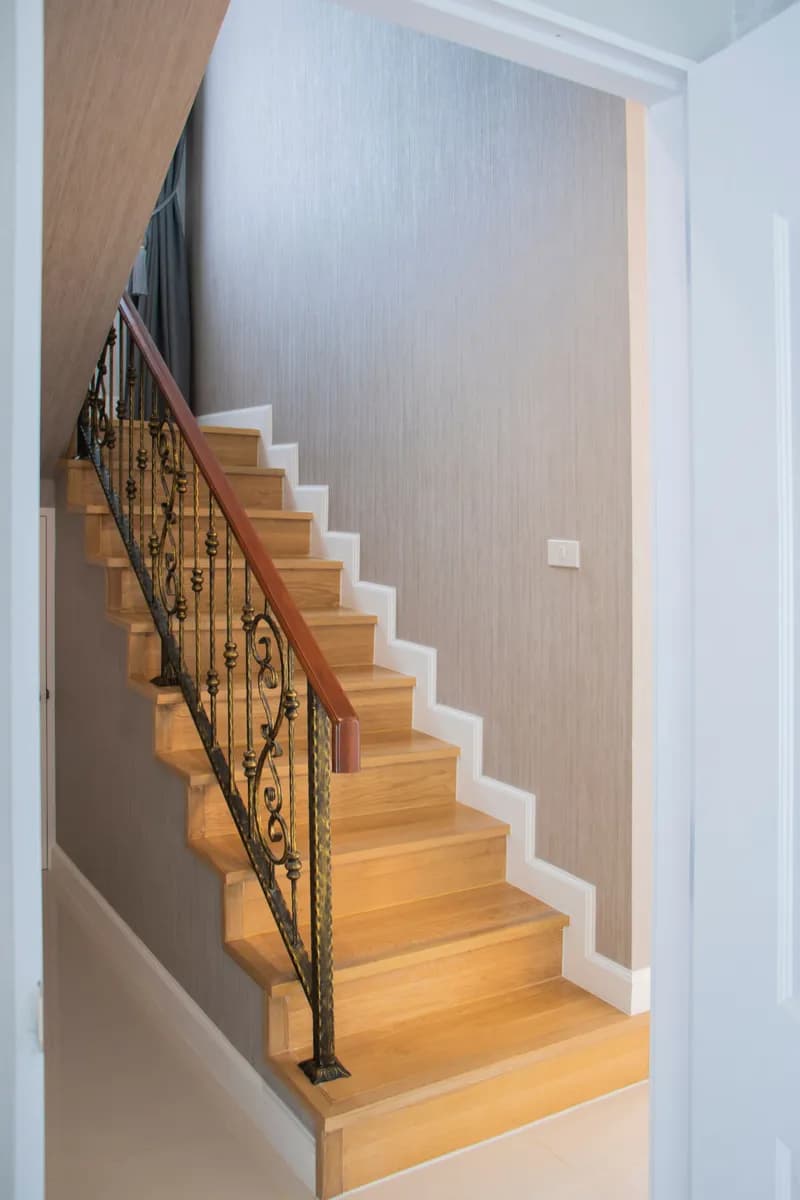
Don’t just show the staircase as a beautiful architectural feature. Photograph the layout, the steps and any handrails from an angle that clearly shows the actual climb. A spiral staircase, a narrow flight of stairs and a wide staircase can be used in very different ways. Information about multiple levels is not sufficient if the only access route is particularly steep or narrow.
Bear in mind luggage and everyday needs after arrival. Where can a large suitcase be left if it cannot be carried upstairs easily? How do drinks or breakfast get to the seating area? Such questions do not only concern people with reduced mobility. Describe the access in concrete terms, without making the tower seem, in general terms, suitable or unsuitable for everyone.
Plan the routes that will be important at night
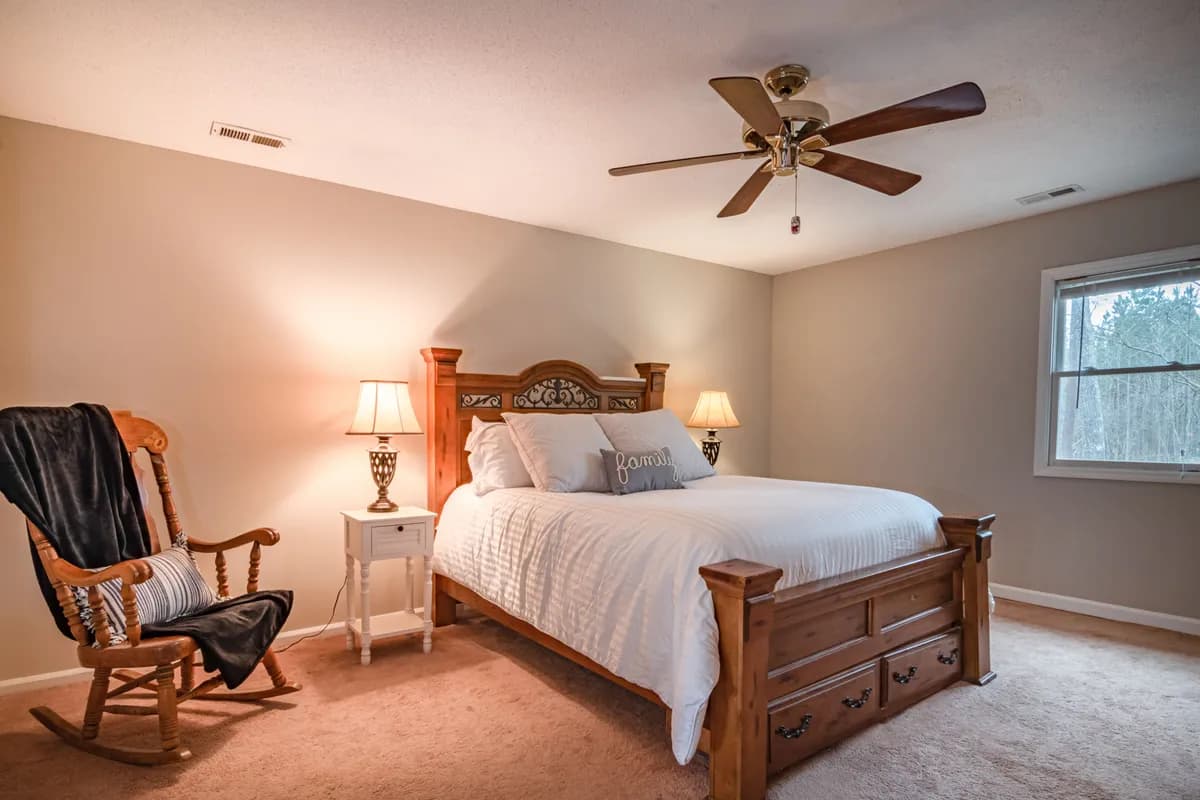
Sleeping areas on upper floors can offer a special view. However, guests should also know whether there is a door and how close the nearest bathroom is. Describe the actual beds and any sloping ceilings or low doorways. If a bedroom is open-plan and connected to the staircase, this information relates to privacy and is not just part of the floor plan.
Walk the route from the bed to the toilet yourself, even with the intended night lighting. Check which switches guests will need to find and which instructions you can make clearer. Show the bathroom in its entirety as well. A photo of the tower from the outside gives no indication whatsoever as to whether the shower, washbasin and toilet are all in the same room or spread across different rooms. It is precisely this clarity that makes a guest’s stay easier.
A wider view is only available where guests can actually get there
Choose view photos of the areas that your guests are actually permitted to use. A photo of a roof that is otherwise locked away can create false expectations. Describe whether there is an interior space with windows, a balcony or an accessible terrace. Also mention the floor it is on and how to get there. If there are several windows, different orientations can influence the experience at various times of the day.
Assess which areas of your building are open to the public and have any necessary structural issues clarified by a professional. An impressive panorama is no reason to conceal restrictions on use. State clearly which areas remain closed. If a viewing point is public or shared with other people, this should be stated in the text and not merely implied by a signpost visible in the background of a photo.
- Assign each listed property to a specific purpose.
- Show the staircase layout and luggage route realistically.
- Provide a clear description of how to get to the bathroom at night.
- Distinguish between accessible viewing points and restricted areas.
Make sure the history and the current condition are consistent
Perhaps your tower was once part of an industrial complex, a larger building or had a historical use. Tell us about it if you have reliable information. Distinguish between original structural elements and later alterations. Guests don’t need a made-up story to find a special place interesting. Often, the careful way it is used today is just as worth telling as its former function.
Also describe the lighting, ventilation and temperature in the areas where guests spend their time. Thick walls or small windows mean you cannot make a general statement about the indoor climate. Different floors may feel different. Specify the available heating and cooling options and assign them to the correct rooms. Pictures taken in daylight often convey more than merely atmospheric shots taken in the evening.
Photograph the connections between the rooms
For a tower, a well-organised sequence of images is particularly helpful. Following an exterior view, the entrance and storeys can be shown in ascending order. Show the entrance to each room as well. This allows visitors to visualise the accommodation. Curved walls or unusual alcoves should be visible from several angles so that guests can assess the usable floor space and the layout of the furniture.
Avoid cropping images in such a way that a single spacious room is used as a scale of reference for the entire building. If the kitchen and dining area are on different levels, show both explicitly. Only include specific dimensions where they help with decision-making, such as in the case of a low door. You do not need to measure every component, but any unusual features should not be left hidden.
Prepare your tower as a self-contained holiday rental
Before your first listing, check how arrival, room allocation and departure will work with the expected number of guests. A clearly marked layout of light switches and brief instructions can prevent many queries. Also clarify the requirements for letting the property and, where applicable, how to handle any special structural features at your location. A tower’s previous use does not automatically indicate its current suitability as accommodation.
Once your listing is ready, you can advertise the tower free of charge in the hosts’ area at BookNoFees. Provide a description that gives equal weight to the view and everyday life. People who are actively looking for unusual accommodation want to know what makes it special. With a clear and detailed description, they can decide for themselves whether living on multiple levels suits their trip and their personal needs.
Frequently Asked Questions
What details are particularly important for a tower accommodation listing?
Describe the layout of the kitchen, sleeping areas and bathrooms across the different levels, as well as the stairs connecting them. Guests should be able to understand how to find their way around the property. Also indicate which vantage points are accessible and whether they will have the tower entirely to themselves or will be sharing certain areas with other guests.
Should I mention steep or narrow stairs in the listing?
Yes. A clear description and informative photos help guests to assess the stay realistically. Also describe whether there is an alternative way to access the property. Do not assume that people will automatically deduce the actual number of steps, handrails and space available in your building simply from the word ‘tower’.
Can I advertise a view that is only visible from the roof?
Only if guests can actually use the relevant area should it be included as part of the stay. If the attic remains closed off, choose images of accessible rooms. A view from a window can be just as characteristic, provided you honestly show its location and the room it belongs to.
How do I describe historical features when I don’t know their age?
Stick to what you know for certain or can demonstrate immediately. You can describe materials, styles and preserved features without inventing a year of construction or a previous use. If you later find reliable information, you can tell the story of your house in greater detail.
How do I start letting on BookNoFees?
Prepare a clear layout of the rooms, up-to-date photos and details of your actual listing. You can advertise your tower free of charge in the general hosts’ section. Take particular care to ensure that the photos of the floors and your description correspond to the actual accommodation, and that no restricted areas are shown as available for use.