
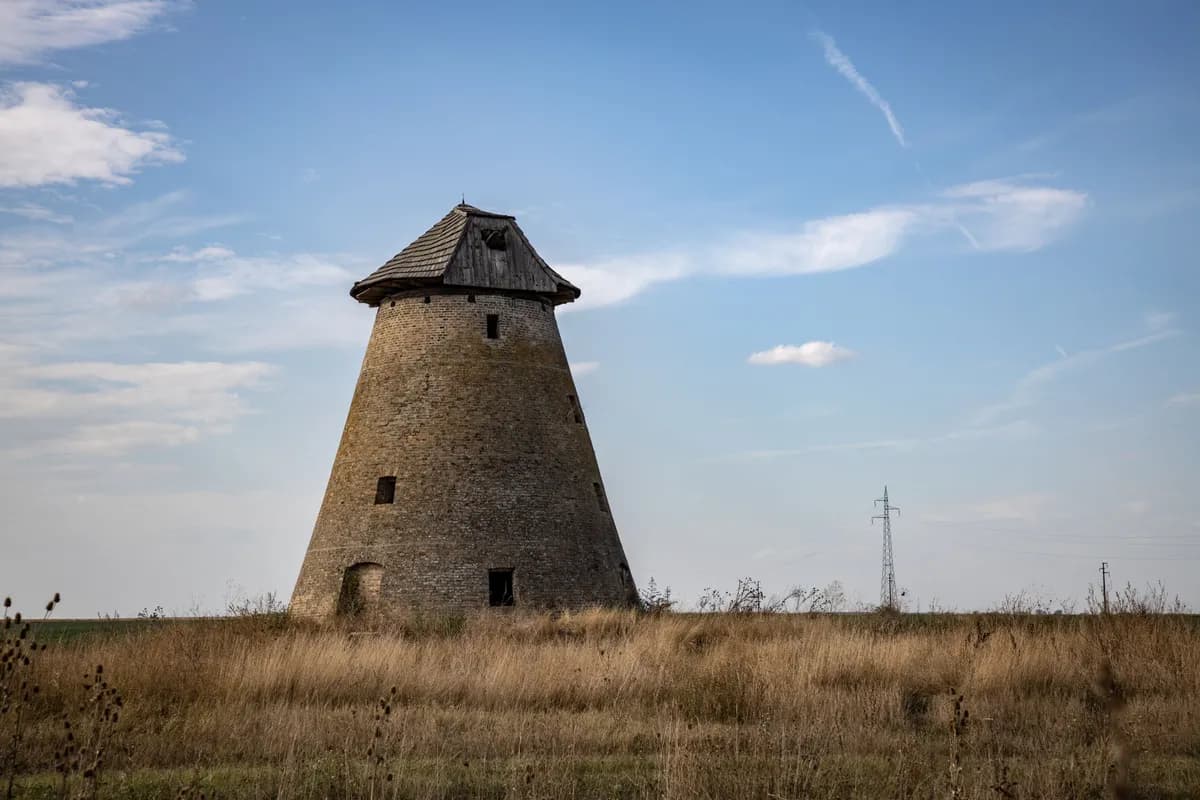

Show exactly where guests will be staying in your mill
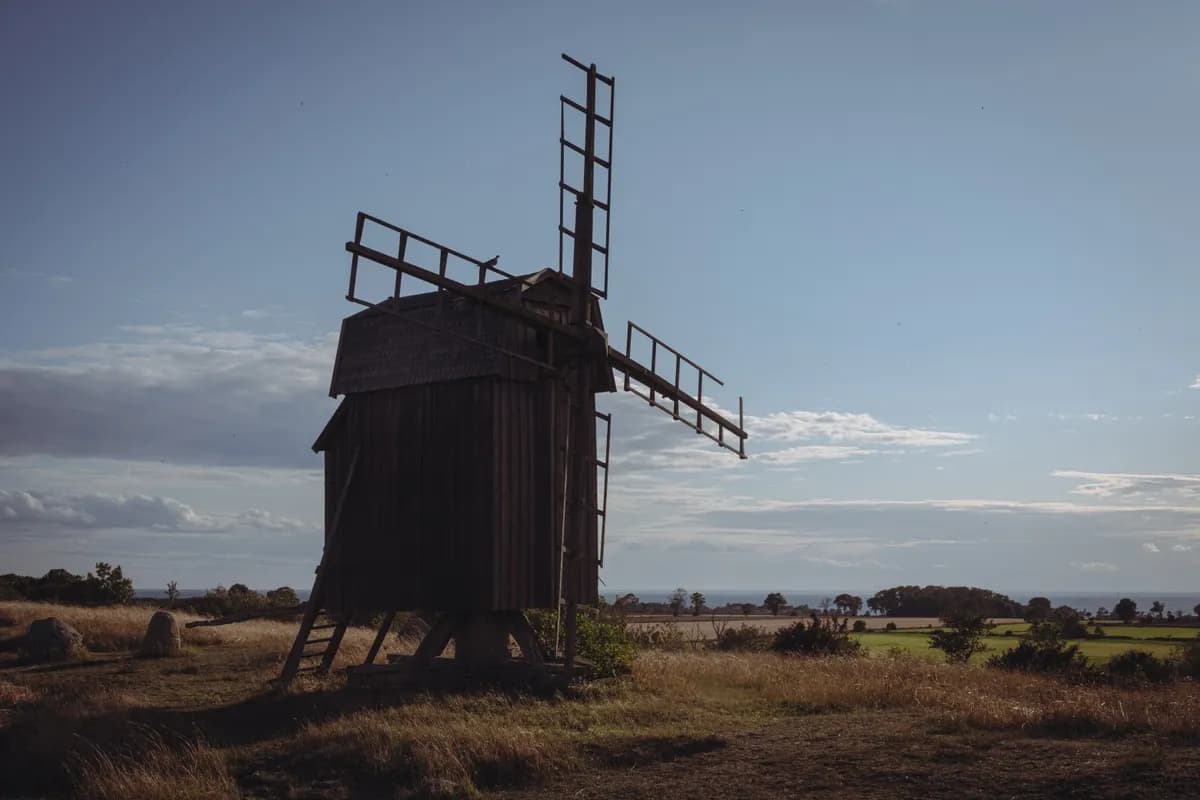
The exterior appearance of a windmill may raise expectations about its interior. Is the accommodation actually inside the mill itself or next door in the former farmhouse? Does the entire complex form part of the stay, or just a self-contained unit? Make this distinction clear from the outset. A lovely photo of the mill should not give the impression that guests can stay in parts of the building that are not actually accessible.
Some properties combine accommodation, private rooms, exhibition spaces or other uses. Describe such arrangements specifically, without inferring a general characteristic of windmills from an individual case. If there are visitor facilities on the property, their implications should be included in the description of the stay. Clarify which entrances, paths and outdoor areas are for the exclusive use of overnight guests and which are shared with other people.
Take a mental walk from the entrance to the bed
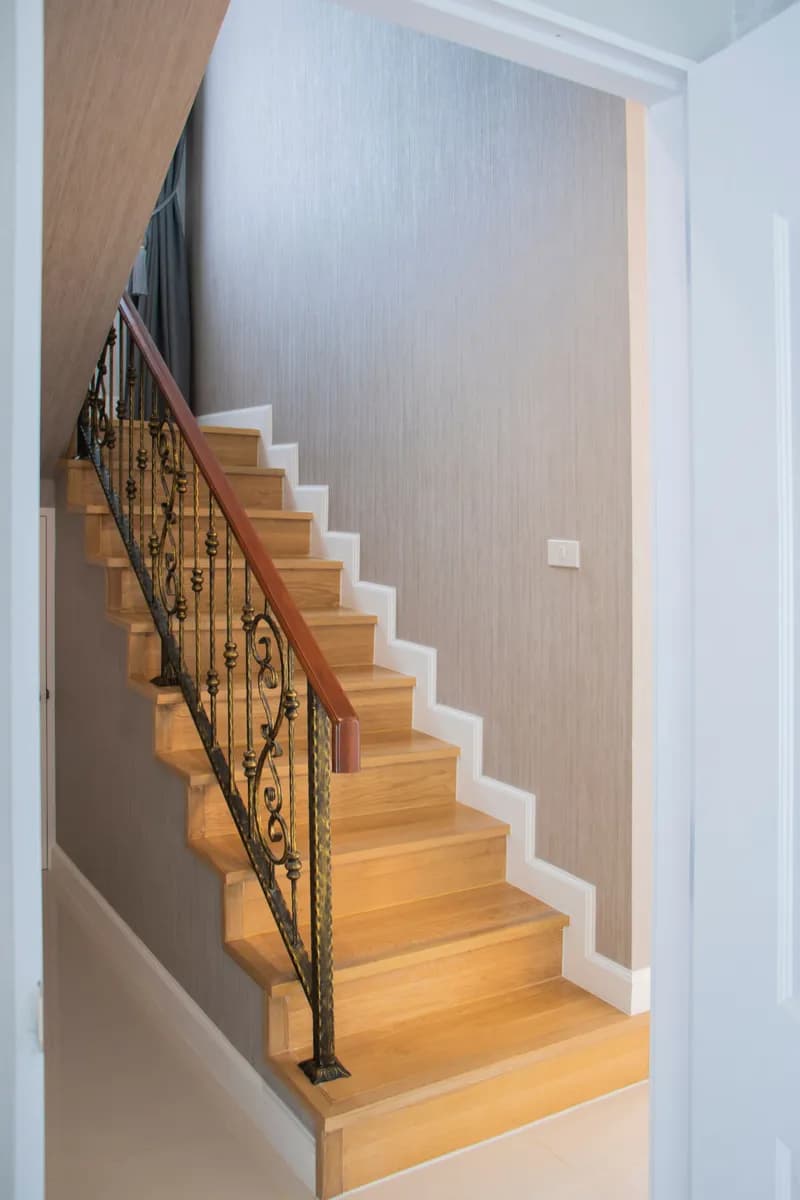
In a tall, compact building, the living area, bedrooms and bathroom may be situated on different levels. Describe the layout of the rooms and the staircases between them. An open spiral staircase feels different when carrying a travel bag than a straight flight of stairs. Photos taken from more than one angle help to assess accessibility. You should only quote relevant dimensions if they have been reliably measured.
Also pay attention to layouts within a single floor. Curved walls, exposed beams or sloping structural elements can affect the available space. Show sleeping areas in such a way that the entrance and the space for moving around next to them remain clearly visible. Guests should know whether they need to go up or down a flight of stairs to get to the bathroom at night. Such details are more helpful than general statements about suitability for everyone.
- Assign the kitchen, bathroom, living area and sleeping areas to their actual floors.
- Show the start of the stairs, their layout and any handrails in up-to-date photos.
- Explain the limits to which larger items of luggage can reasonably be taken.
- Mention areas with low beams or particularly limited headroom.
Distinguish between historical features and functional facilities
Preserved mechanical parts can add a lot to the atmosphere. However, they are not automatically part of the facilities available for use. Explain clearly which areas guests are allowed to visit and which remain off-limits. A photo of cogwheels, a gallery or an upper platform needs the right context. Guests should not infer any possibilities for use from these that you cannot actually offer them.
If operations, demonstrations or maintenance are still taking place at your windmill, describe the procedures relevant to the stay. Do not claim that the facility is out of operation if different conditions may apply at the times offered. Rules regarding access to technical equipment and areas not available for hire must be tailored to the specific building. Have any questions regarding the structure and its operation clarified by experts, rather than glossing over them with general safety assurances.
Give everyday life plenty of space within these unique walls
The unusual layout should not obscure the everyday facilities. Show the full kitchen area, the seating and the bathroom. A circular room can appear spacious yet still have few suitable storage areas. Consider where guests will store their suitcases, clothes and food. Even a small table should be practical for the number of people it is intended to accommodate.
Describe any heating, cooling and ventilation facilities available without drawing conclusions based on the age or material of the windmill. Different levels may feel different. Check the rooms on offer during the seasons in which you wish to welcome guests. Instructions for use should be brief and clear. A trial stay often reveals where lighting, storage space or a clearer explanation are more helpful than additional decoration.
Describe the view from the spot that can actually be reached
An elevated location or upper floor can offer beautiful views. The key factor is where guests can experience them: through a specific window, from a seating area or from an accessible terrace. Aerial photographs are no substitute for this view. Also show nearby buildings and paths. A mill visible from afar does not necessarily stand on a secluded or exclusively privately-owned plot of land.
When it comes to getting there, key details include the intended access route, a clear address and the route from the car park to the door. Only mention available public transport links as specifically as you can reliably describe them. In the case of an exposed location, the outdoor spaces that are actually available should also be clearly stated. An atmospheric outdoor table is not a guarantee that this space will be equally pleasant to use in all weathers.
Share its documented history and show how it is used today
Perhaps you know the mill’s former purpose, a documented period of renovation or specific preserved structural elements. Such information gives the stay a personal backdrop. Keep documented facts separate from assumptions. An old appearance alone does not prove either the year of construction or any special heritage status. Even a building erected at a later date can be interesting if you openly recount its true history.
Combine this narrative with a clear sequence of images showing the accommodation as it is today. After the exterior view, show the entrance and living areas in sequence. Detailed images complement the tour rather than replacing missing overviews. Clearly label any areas that are not accessible. This ensures the unique architecture remains visible, whilst guests can also understand which part of the mill they will actually get to know during their stay.
Describe the windmill as you would explain it to friends
Start with the key features that influence a travel decision: available rooms, stairs, potential alternative uses and the actual location. Only then should you add details about the atmosphere and ideas for day trips. Before you begin, clarify the requirements for the proposed use at your property. A clear description does not replace this preparation, but it does help to avoid any misunderstandings later on regarding the building and its use.
Listing your windmill on BookNoFees is free and starts in the general hosts’ area. You don’t need to make up a story or make exaggerated promises. Up-to-date photos, specific details and your own knowledge of the property are the best basis for a clear and transparent listing. Make sure to clearly answer the questions people are likely to have when staying in a windmill for the first time.
Frequently Asked Questions
How do I describe a holiday flat next to the windmill?
State clearly which building the guests will be staying in. Show the flat itself and explain whether parts of the mill can be visited or used. The proximity to the mill is an interesting feature, but should not give the impression that the sleeping quarters are located inside the mill itself.
Do I have to photograph every staircase?
Show the stairs that guests will need to use during their stay, particularly if they have an unusual layout or a steep incline. It is important to provide a clear overall picture of the routes between rooms. Several similar close-up shots are less helpful than a clear indication of the different levels and understandable images showing how they are connected.
How should I deal with the historic machine parts that have been preserved inside the windmill?
Describe its role within the building and clearly distinguish usable areas from enclosed spaces. Guests should know what they are permitted to view and which parts are not part of the accommodation. Access and operation must be professionally clarified for your specific property; a general description cannot replace this assessment.
Can a windmill be both accommodation and a tourist attraction?
Be open about any other uses of your property alongside the rental. For guests, this might include shared access routes, potential visitors and the separation of their private spaces. Do not promise complete seclusion if the property is also open to other people at certain times.
What should I include first in my listing?
Explain which part of the property is on offer, how the rooms are laid out and which access points are available. Then provide details of the facilities, how to get there and the property’s history. This allows guests to get a sense of the unique accommodation before they are drawn in by individual features or its outward appearance.